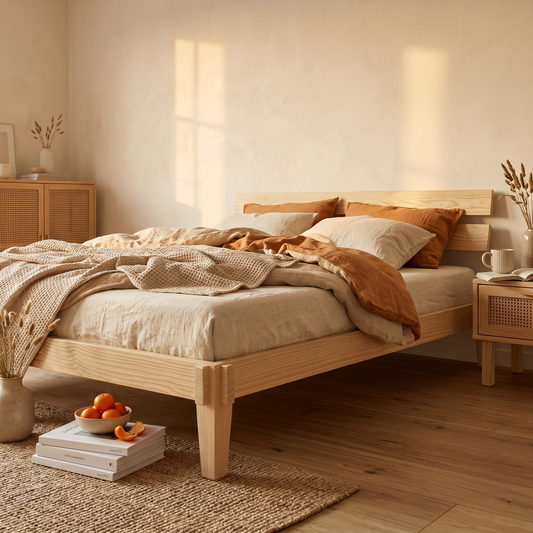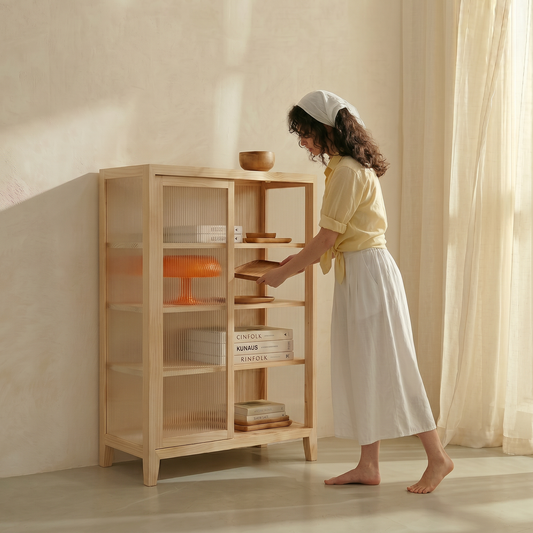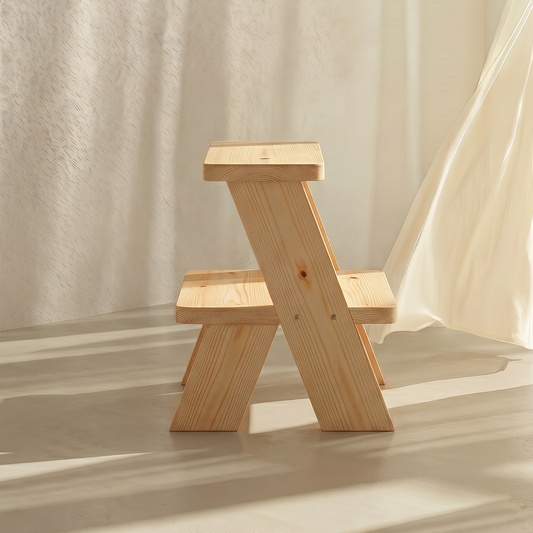

Slow living often begins with small shifts. A quieter morning. A more thoughtful meal. A home that feels easier to return to. It is not about doing less for the sake of it. It is about making space for what matters and reducing what distracts from it.
Furniture plays a large part in this experience. It shapes how we move, where we pause, what we reach for, and how the home supports daily life. Wooden furniture is especially meaningful in this context because it brings together warmth, usefulness, and a sense of grounded simplicity.
A well chosen wooden piece does not rush the eye. It does not demand attention through trend or excess. It supports the room quietly and helps daily life feel a little more settled. That is why wooden furniture often fits so naturally into homes that value slow living.
Why slow living needs the right environment
It is difficult to live with calm and awareness in a space that constantly creates friction. When surfaces are crowded, storage is unclear, and furniture feels disconnected from routine, the home can quietly add stress to the day.
Slow living is supported by environments that feel:
- Easy to move through
- Clear in purpose
- Warm rather than overstimulating
- Grounded in natural materials
- Built around real use
Furniture influences all of this. It can either create noise or reduce it.
What wooden furniture brings to the home
Wood has a natural ability to soften a room. Its grain, tone, and texture create warmth without needing decoration. In homes that value simplicity, this matters because the material itself carries enough character to make the room feel complete.
Wooden furniture also tends to feel more timeless. It does not rely on novelty to stay relevant. A bench, console, cabinet, or bedside table made well can remain useful and beautiful for years. That long term presence aligns naturally with slow living, which values continuity over constant replacement.
Everyday ease comes from useful design
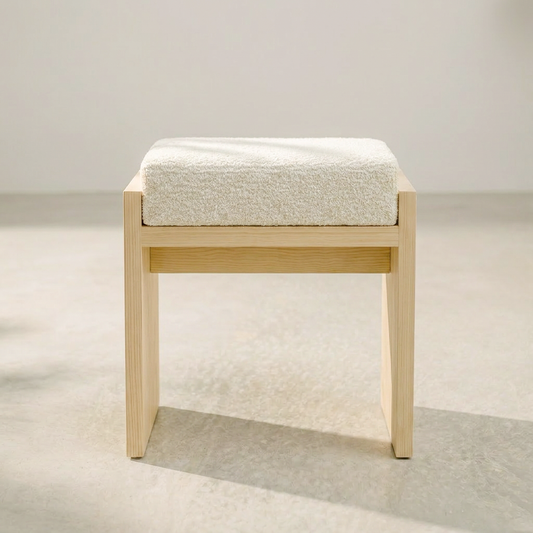
Furniture supports slow living best when it is useful in quiet ways. A bench near the entrance that helps with daily transitions. A bedside table that holds only what is needed. A cabinet that reduces clutter. A console that creates order in a visible part of the home.
These are not dramatic changes, but they affect routine deeply. Everyday ease often comes from objects that remove friction rather than add more to manage.
If you want to explore furniture that reflects this balance of warmth and utility, the furniture collection offers pieces shaped by simplicity and thoughtful use.
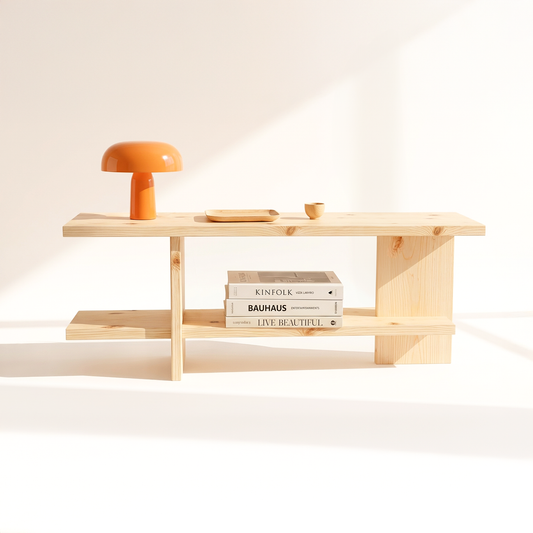
A piece like the Quiet Console Table fits especially well into this idea. It supports daily essentials while helping a room feel calm and grounded.
Fewer better pieces support a slower home
Slow living is not about filling the home with more objects that symbolize calm. It is often about choosing fewer pieces that do their work well and stay meaningful over time.
Wooden furniture supports this because it often carries enough presence on its own. A well made piece can hold the room without needing layers of extra styling. This helps the home feel lighter and easier to maintain.
In this way, wooden furniture supports not only aesthetics, but also rhythm. It asks less from the home while giving more back.
Natural materials encourage a more grounded feeling
There is something about natural materials that helps the home feel more human. Wood, linen, cotton, and stone all carry variation and softness that make a room feel less mechanical. In a fast moving world, that grounded feeling becomes more valuable.
Wooden furniture contributes to this not only visually, but emotionally. It helps create a home that feels lived in, steady, and quietly nourishing.
Final thoughts
Wooden furniture supports slow living and everyday ease because it brings together warmth, usefulness, and lasting presence. It helps the home feel calmer not through emptiness, but through thoughtful structure. It reduces friction, supports routine, and creates a softer backdrop for daily life.
In homes that value awareness over excess, this kind of furniture becomes more than practical. It becomes part of the rhythm of living well.
FAQ
Why does wooden furniture suit slow living?
Because it brings warmth, timelessness, and useful design into the home without adding visual noise.
Because it brings warmth, timelessness, and useful design into the home without adding visual noise.
How can furniture support everyday ease?
Furniture supports ease when it reduces friction, supports routine, and fits naturally into daily life.
Furniture supports ease when it reduces friction, supports routine, and fits naturally into daily life.
Is wooden furniture good for minimalist homes?
Yes. Wooden furniture works very well in minimalist homes because it adds warmth and character while staying visually calm.
Yes. Wooden furniture works very well in minimalist homes because it adds warmth and character while staying visually calm.
What kind of wooden furniture is best for a slow home?
Simple, useful, and well made pieces like consoles, benches, cabinets, and bedside tables often work best.
Simple, useful, and well made pieces like consoles, benches, cabinets, and bedside tables often work best.