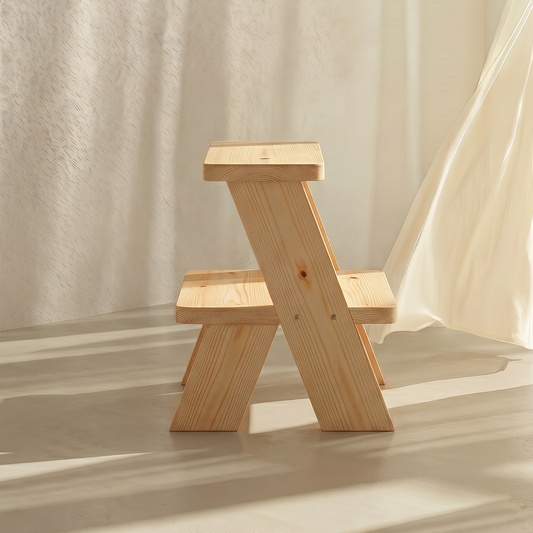
Ask most people to list the furniture they would buy first for a new home and the console table will not appear until the list is nearly complete, if it appears at all. The bed, the sofa, the dining table, the wardrobe — these are the anchors. The console is an afterthought. This is a significant mistake, because a wooden console table does something that none of the anchor pieces can: it defines the transitional spaces of a home and turns them from corridors into rooms.
What a Console Table Actually Does
A console table is a narrow, wall-hugging table designed for spaces that are too tight for full-depth furniture. Entryways, hallways, the wall behind a sofa, the space beneath a mirror — these are the console's natural habitats. In each of these positions, it does something specific: it gives the space a surface, a presence and a reason to exist beyond mere passage.
An entryway without a console is a corridor. An entryway with a wooden console is a room. The surface gives you somewhere to put keys, a bag, a plant. The presence gives the space a visual anchor that makes it feel considered rather than incidental. The reason to exist transforms a transitional space into one that is worth pausing in.
This is the underestimated power of the console table. It does not anchor a room the way a bed or a sofa does. It defines the spaces between rooms, which are the spaces that determine whether a home feels coherent or fragmented.
Why Solid Wood Is the Right Material for a Console
A console table is a surface that is touched, leaned against and looked at every day. It is also a piece that is visible from multiple angles — from the front, from the side and often from above. The material needs to hold up to daily contact, look good from every angle and age in the right direction.
Solid wood meets all three criteria. It is warm to the touch, which makes daily contact pleasant rather than neutral. It looks good from every angle because the grain is consistent throughout the piece rather than being a surface veneer over a different substrate. And it ages by developing a patina rather than by degrading — a solid wooden console that has been used daily for ten years looks more characterful than it did when new.
Engineered wood and MDF fail the third criterion most visibly. The laminate surface that looks clean when new begins to show wear at the edges and corners within a few years. The material beneath the surface, once exposed, does not age gracefully. A solid wooden console is a different category of object entirely.
The Nagomi Pinewood Console: Built for the Indian Home
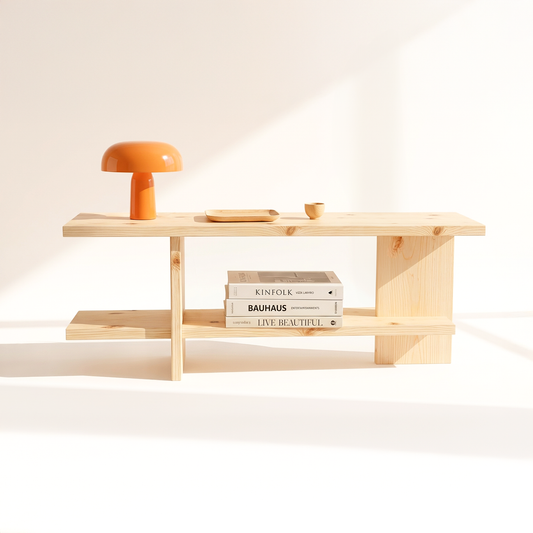
The Nagomi Pinewood Console by A Good Life is a solid pinewood console table designed for the transitional spaces of an Indian home. The solid pinewood construction means it handles Indian humidity without swelling or warping. The matte finish is breathable, which allows the wood to manage seasonal moisture changes without stress. The clean, low-profile design is consistent with the Japandi aesthetic — present without being dominant, functional without being decorative.
In an entryway, the Nagomi Console gives the first impression of the home a material honesty that sets the tone for everything beyond it. In a bedroom, placed beneath the Akari Pinewood Mirror, it creates a dressing station that is both functional and visually resolved. The same solid pinewood, the same matte finish, the same design philosophy. Two pieces that belong together without being a matched set.
The Console and the Mirror: A Natural Pairing
The console table and the full length mirror are one of the most natural pairings in home design. A console beneath a mirror gives the mirror a base, which makes the combination read as a considered unit rather than two separate objects. The surface of the console holds the objects that belong near a mirror — a small tray, a plant, a lamp — without cluttering the floor around the mirror's base.
In a bedroom, a wooden console beneath a full length floor mirror creates a dressing area that has the quality of a considered space rather than a functional corner. The mirror reflects the room. The console grounds the mirror. The objects on the console surface are the finishing layer. The combination is greater than the sum of its parts.
The Console in the Entryway: First Impressions and Last Ones
The entryway is the first room a visitor sees and the last room you pass through before leaving the house. A wooden console in the entryway does two things simultaneously: it gives visitors a first impression of the home's material quality and it gives you a last moment of organisation before you leave.
Keys on the console. A small mirror above it. A plant beside it. These are not decorative choices. They are functional ones that happen to produce a beautiful result. The wooden console is the object that makes the entryway work as a room rather than as a corridor. It is the most underestimated piece of furniture in the home precisely because its contribution is felt rather than seen.