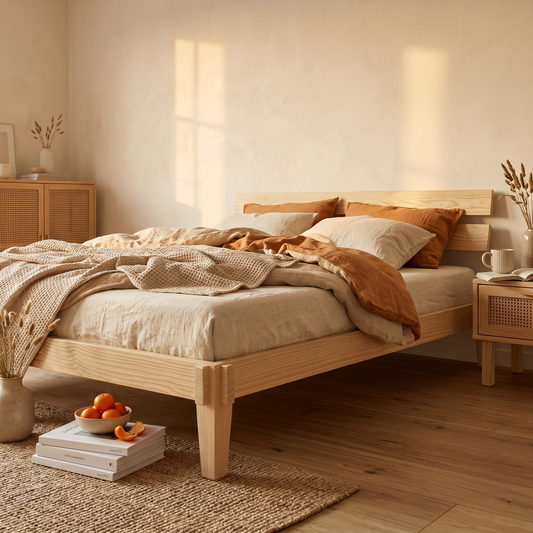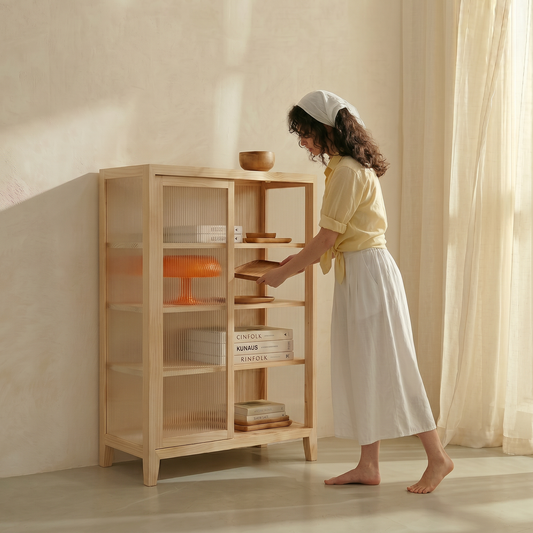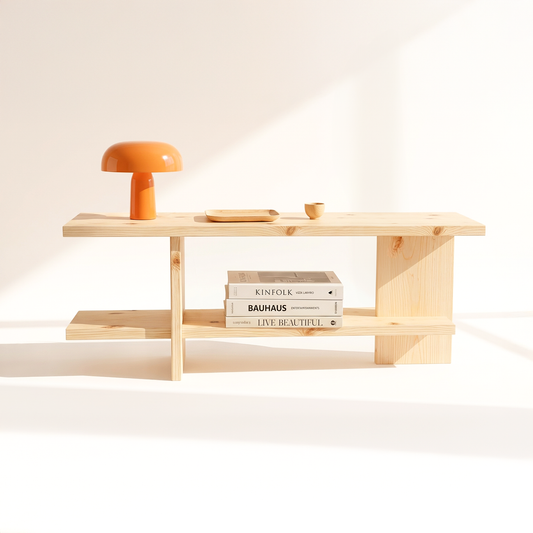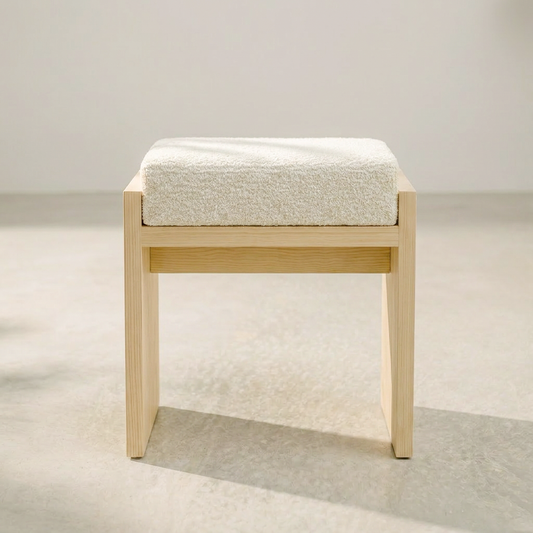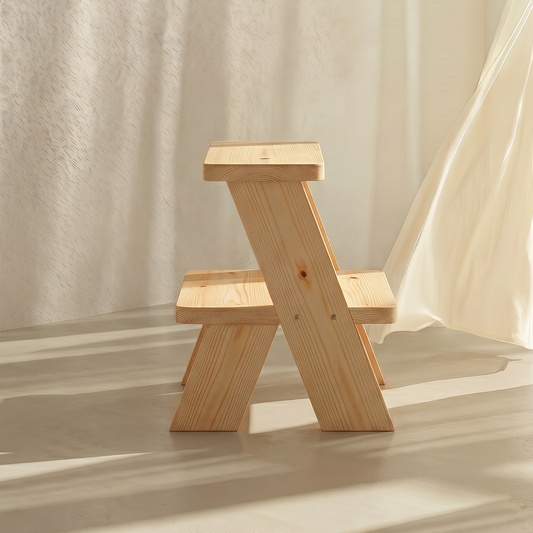

Some furniture pieces have a very specific role. Others are more generous. A wooden bench belongs to the second kind. It can move easily between rooms, support different routines, and still feel simple and grounded wherever it is placed.
In entryways, a bench creates a place to pause. It helps with shoes, bags, and the small transitions that happen when leaving or returning home. In bedrooms, it can sit at the foot of the bed, hold extra cushions, or simply add a layer of warmth and balance to the space.
What makes a wooden bench especially useful is that it does not ask for much. It offers function without heaviness and presence without noise. In homes that value calm and utility, that balance matters. A piece like the Minimalist Solid Wood Bench reflects exactly this — clean lines, natural material, and quiet usefulness wherever it is placed.
Why wooden benches are so versatile
A bench is one of the easiest ways to add function without overfurnishing a room. It can serve as seating, surface space, or even soft storage support depending on where it is placed.
Unlike bulkier furniture, a bench often has a lighter footprint. It keeps the room open while still offering practical use. This makes it especially helpful in homes where space needs to stay flexible.
Wooden benches also bring a natural warmth that works well across different rooms. Pine wood and other solid wood finishes can soften a hallway, bedroom, or entrance and help the home feel more connected overall.
Where benches work best in entryways
The entryway is one of the most natural places for a bench. It supports the daily rhythm of coming and going and can make even a small entrance feel more thoughtful.
A bench in the entryway works well for:
- Sitting while putting on shoes
- Holding bags briefly when you arrive home
- Creating a landing spot near the door
- Adding warmth to an otherwise empty wall
- Supporting baskets or storage underneath
In compact homes, a bench can sometimes work better than a larger console or cabinet because it keeps the area visually lighter. If there is wall space above it, you can pair it with a mirror, hooks, or a simple artwork to complete the area.
Where benches work best in bedrooms
In bedrooms, benches are often placed at the foot of the bed, but that is not the only option. They can also work near a window, along an empty wall, or beside a wardrobe if the layout allows.
A bedroom bench can be useful for:
- Holding cushions and throws at night
- Creating a place to sit while dressing
- Softening the visual end of the bed
- Adding one more layer of texture and warmth
- Making a larger bedroom feel more complete
In smaller bedrooms, the key is proportion. The bench should support the room, not crowd it. A slim wooden bench usually works better than a bulky upholstered piece when space is limited.
How to choose the right bench
The best bench depends on the room, the available space, and how you want to use it.
A few practical things to consider:
- Length in relation to the wall or bed
- Depth so movement stays comfortable
- Height for easy seating
- Material that suits the room
- Whether you need open space underneath for baskets or shoes
For calm minimal homes, simple wooden benches with clean lines often work best. They feel useful and timeless without becoming visually heavy.
Styling ideas for wooden benches
A bench does not need much styling to feel complete. In fact, the best setups are usually the simplest.
In entryways
- Add one cushion if needed
- Place a basket underneath
- Use a mirror or artwork above
- Keep the surrounding area uncluttered
In bedrooms
- Drape a folded throw lightly over one side
- Add one or two cushions if the room needs softness
- Let the bench remain mostly open and usable
- Keep the styling connected to the bedding and room palette
The goal is to let the bench remain functional. Too much decor can reduce its usefulness and make the room feel overworked.
Common mistakes to avoid
A bench can work beautifully, but a few choices can make it less effective.
Choosing the wrong size
A bench that is too long or too deep can interrupt movement and make the room feel tighter.
Making it purely decorative
A bench is most valuable when it supports real use. If it becomes only a display surface, it may lose its everyday usefulness.
Overstyling it
Too many cushions, objects, or layers can make the bench feel fussy instead of calm.
Ignoring the room around it
A bench should feel connected to the rest of the furniture and not like an isolated addition.
Best bench choices for different homes
Different layouts call for different bench styles.
For small apartments
Choose a slim bench with clean lines and an open base. This keeps the room feeling light.
For family homes
A sturdy wooden bench in the entryway can support daily movement and frequent use.
For calm bedrooms
A simple bench at the foot of the bed can add warmth and balance without visual clutter.
For flexible spaces
A bench that can move between rooms is often the most useful choice of all.
Final thoughts
A wooden bench is a quiet but hardworking piece of furniture. It can support daily life in the entryway, soften the bedroom, and move easily wherever the home needs it most.
That flexibility is what makes it so valuable. It adds seating, rhythm, and warmth without asking for much space. In homes that value simplicity and function, a well chosen wooden bench often works better than expected and lasts longer than trends.
FAQ
Where should a wooden bench be placed in a home?
Wooden benches work especially well in entryways, at the foot of the bed, near windows, or along empty walls where a little seating or structure is needed.
Wooden benches work especially well in entryways, at the foot of the bed, near windows, or along empty walls where a little seating or structure is needed.
Is a bench useful in a small entryway?
Yes. A slim bench can add seating and function while keeping the space visually open.
Yes. A slim bench can add seating and function while keeping the space visually open.
Can I use a wooden bench in the bedroom?
Yes. A wooden bench at the foot of the bed can add balance, warmth, and practical use for throws or seating.
Yes. A wooden bench at the foot of the bed can add balance, warmth, and practical use for throws or seating.
What kind of bench is best for minimal homes?
A simple wooden bench with clean lines, good proportions, and a natural finish usually works best in minimal homes.
A simple wooden bench with clean lines, good proportions, and a natural finish usually works best in minimal homes.