Buying a cabinet online is one of those purchases that feels straightforward until it arrives. The dimensions seemed right. The photograph looked good. And then the cabinet is in the room and something is off — the material feels cheaper than expected, the doors do not hang straight or the finish that looked warm in the photograph looks cold in the actual light of the room. These are not bad luck outcomes. They are predictable results of a process that most people approach without the right questions.
The Photograph Is Not the Cabinet
Product photography for furniture is optimised to sell. Lighting is controlled, angles are chosen to flatter proportions and colours are adjusted in post-production. A wooden cabinet that looks warm and honey-toned in a photograph may arrive looking considerably lighter or darker depending on your room's lighting conditions. A fluted glass cabinet that looks luminous in a studio photograph may look flat in a room with poor natural light.
The fix is to ask for unedited images or lifestyle photographs taken in natural light conditions similar to your room. Any brand confident in their product will provide them. If they cannot or will not, that tells you something important about the gap between the photograph and the product.
The Frame Material Question
The most important question to ask when buying a wooden cabinet online is whether the frame is solid wood throughout or whether it is veneered MDF with a solid wood appearance. These are not the same material and they do not perform the same way over time, particularly in Indian humidity conditions.
A solid wooden cabinet frame absorbs and releases moisture as a single piece, which means it moves uniformly rather than swelling unevenly. A veneered MDF frame absorbs moisture unevenly, which causes the veneer to lift at the edges and the substrate to swell at the joints. In a kitchen, where humidity is consistently higher than in other rooms, this difference becomes visible within a few monsoon seasons.
Ask specifically: is the frame solid wood throughout, including the sides, the back panel and the internal shelves? A brand selling genuine solid wood will answer this directly. A brand selling veneered MDF will hedge.
The Glass Quality Question for Fluted Glass Cabinets
For a fluted glass cabinet, the quality of the glass is as important as the quality of the frame. Standard glass has a slight green tint from its iron content, which is most visible in large panels. Low-iron glass has a warmer, clearer appearance that is more consistent with the warm, natural aesthetic of a Japandi or natural-material home.
The thickness of the glass also matters for a fluted glass kitchen cabinet. Thinner glass flexes slightly when the door is opened and closed, which creates a subtle instability that becomes more pronounced over time. Glass of 4mm or thicker provides the rigidity that a cabinet door requires for long-term use.
Ask about the glass specification before purchasing. A brand that specifies glass thickness and type is a brand that has thought carefully about the product. A brand that lists only the visual description is asking you to trust the photograph.
The Joinery Question
Cabinet joinery determines how long the piece stays structurally sound. Bolt-together joinery is convenient for flat-pack shipping but loosens over time as the material around the bolt holes compresses. Traditional joinery — mortise-and-tenon, dowel or similar — holds the cabinet together through the geometry of the wood rather than through mechanical fasteners, which means it gets tighter with use rather than looser.
For a wooden cabinet that will be used daily in an Indian home, joinery quality is the detail that most determines longevity. Ask about it before you buy.
The Kanso Fluted Cabinet: The Questions Already Answered
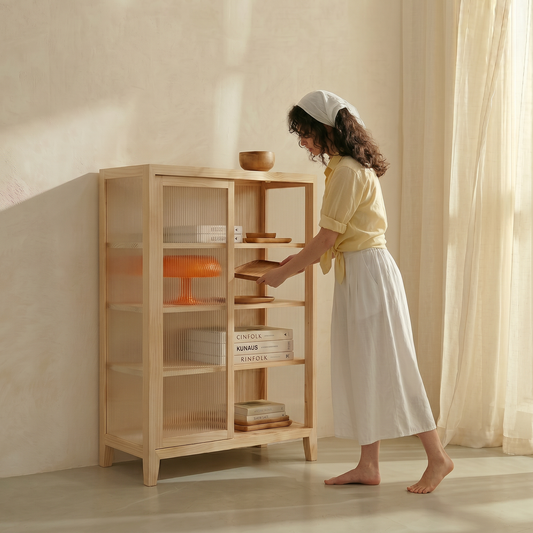
The Kanso Fluted Cabinet by A Good Life is built to answer these questions before you ask them. Solid pinewood frame throughout. Fluted glass cabinet doors in quality glass. Matte oil finish that is breathable and renewable. Construction designed for Indian humidity conditions rather than for a European showroom.
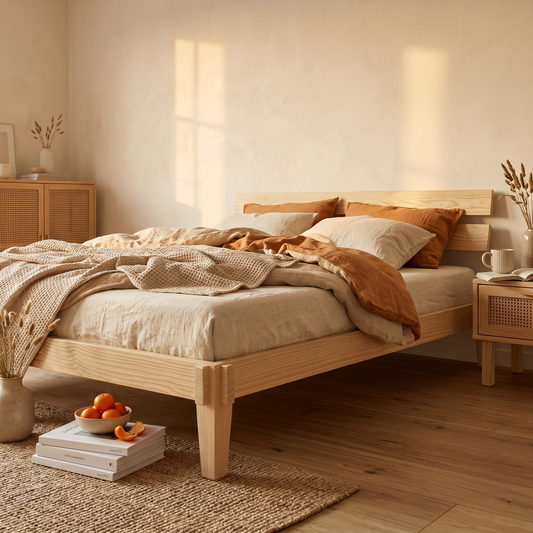
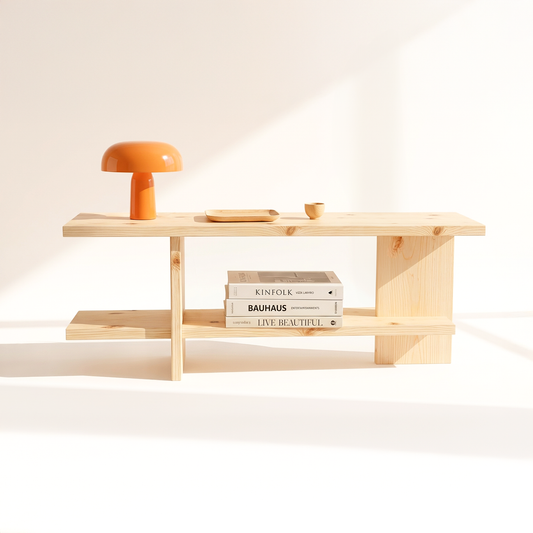
In a home with the Poka Bed, the Akari Mirror and the Nagomi Console, the Kanso Cabinet completes a material language that is consistent from the kitchen to the bedroom. The same solid pinewood, the same matte finish, the same honest construction. A home where every piece passes the questions that actually matter.
The Right Question Before Every Purchase
Before you buy any cabinet online, ask one question: does this brand know more about this product than I do, and are they willing to share it? A brand that publishes detailed material specifications, joinery methods, glass specifications and care instructions is a brand that stands behind what they make. A brand that publishes only photographs and dimensions is asking you to trust the photograph. The photograph is not the cabinet.