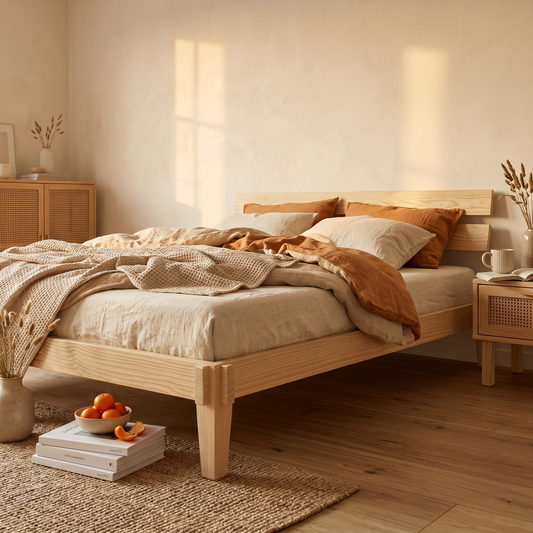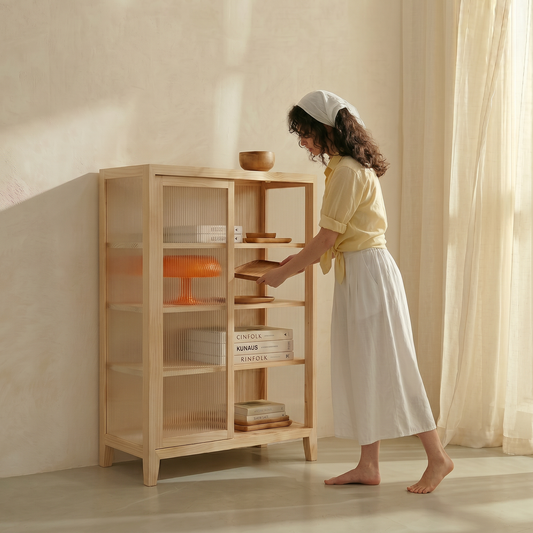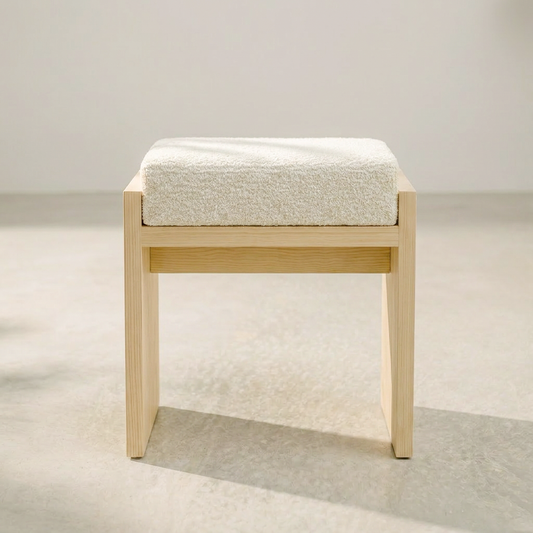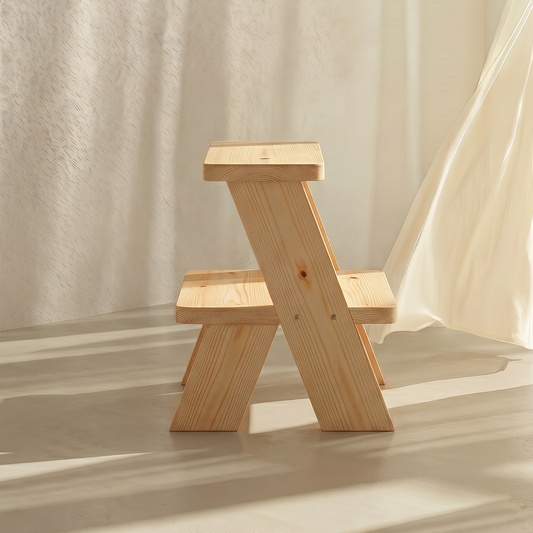
There is a quiet revolution happening in Indian homes. Not the kind that announces itself with bold colours and maximalist displays, but one that whispers through the grain of solid wood, the texture of unglazed clay and the deliberate emptiness of a well-considered room. This is the world of Wabi-Sabi, and in 2026, it is reshaping how urban Indians think about their living spaces.
What Is Wabi-Sabi and Why Does It Matter Now?
Wabi-Sabi is a Japanese philosophy rooted in the acceptance of imperfection, impermanence and incompleteness. It finds beauty in the weathered, the handmade and the understated. In a world saturated with fast furniture and trend-chasing interiors, Wabi-Sabi offers something rare: stillness.
For Indian homeowners who have grown weary of glossy finishes and mass-produced décor, this philosophy resonates deeply. It aligns with a growing desire for authenticity, for objects that carry meaning and for spaces that feel genuinely lived in rather than staged for social media.
The Indi-Japandi Connection
India has its own rich tradition of embracing imperfection. From the patina of aged brass to the irregular weave of handloom textiles, Indian craft has always celebrated the human hand. When this sensibility meets the Japanese Wabi-Sabi aesthetic, the result is what designers are now calling Indi-Japandi: a style that is minimal without being cold, natural without being rustic and refined without being sterile.
Solid pinewood furniture sits at the heart of this movement. Its natural knots, subtle grain variations and warm honey tones make it the ideal material for spaces that want to feel grounded and honest. Unlike engineered wood or laminate, solid pinewood ages gracefully, developing character over time rather than deteriorating.
Key Principles of Wabi-Sabi Interiors
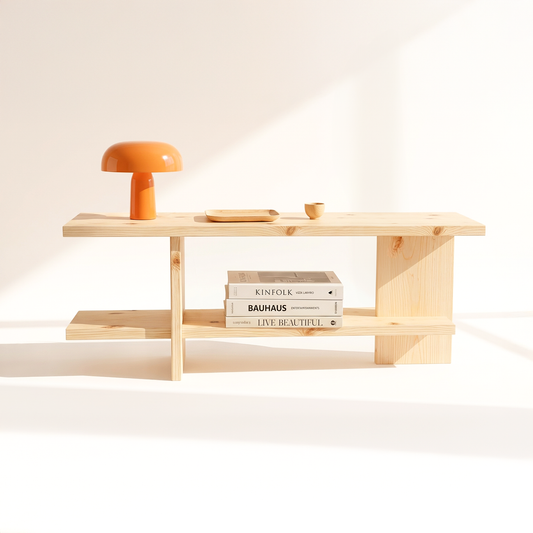
Embrace natural materials. Stone, wood, linen, clay and rattan are the building blocks of a Wabi-Sabi home. Each material should feel tactile and real. Our Minimalist Pinewood Floating Shelf is a perfect example of this principle in practice: solid wood, honest grain and a form that lets the material speak without interference.
Celebrate imperfection. A slight variation in wood grain is not a flaw. It is evidence of nature. Choose furniture and objects that show their origins rather than hiding them behind uniform finishes.
Edit ruthlessly. Wabi-Sabi is not about emptiness for its own sake but about intentionality. Every object in a room should earn its place. A single well-chosen piece of art, a handthrown ceramic bowl or a carefully positioned plant can do more for a room than a shelf full of decorative clutter. The Floating Cross Pinewood Shelf is designed with exactly this in mind: a display surface that frames your objects rather than competing with them.
Let light do the work. Natural light is the most powerful design tool in a Wabi-Sabi interior. Sheer curtains, unobstructed windows and reflective natural surfaces allow light to move through a space and change its mood through the day.
Choose muted, earthy tones. The Wabi-Sabi palette draws from nature: warm whites, soft greys, dusty terracotta, sage green and the natural tones of wood and stone. These colours create a sense of calm that synthetic brights simply cannot replicate.
How to Begin Your Wabi-Sabi Journey
You do not need to redesign your entire home to embrace this philosophy. Start with one room or even one corner. Replace a mass-produced shelf with a solid wood alternative. Swap synthetic textiles for natural linen or cotton. Remove three objects from a surface and notice how the space breathes differently.
The beauty of Wabi-Sabi is that it is not a style you buy. It is a way of seeing. Once you begin to notice the beauty in imperfection, in the worn edge of a wooden table or the uneven texture of a handmade pot, you cannot unsee it.
A Good Life, Quietly Lived
At A Good Life, we believe that the objects you surround yourself with shape how you feel in your home every single day. Our solid pinewood furniture is designed with this philosophy at its core: honest materials, considered proportions and a finish that lets the wood speak for itself. Whether it is a floating shelf in your study or a display shelf in your living room, each piece is built to age beautifully and to become more yours with every passing year.
The Wabi-Sabi home is not a destination. It is a practice. And it begins with one good choice.