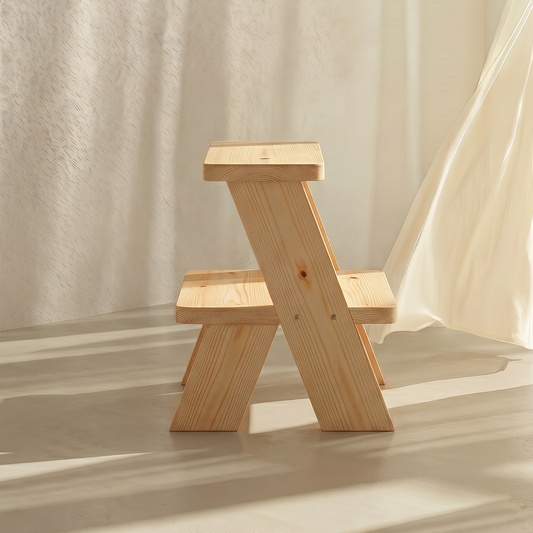

Not every object in a home needs to be large to make an impact. Sometimes it is the smallest pieces that quietly change the way a room feels. Tissue and napkin holders are a good example of this. They are practical, often used every day, and easy to overlook. But when chosen thoughtfully, they can bring a surprising sense of order and warmth to a space.
In many homes, tissues and napkins are left in their original packaging or placed wherever there is room. This works, but it often adds visual noise. A simple holder can turn something ordinary into something intentional. It gives the object a place and helps it belong to the room rather than interrupt it.
This is where functional decor matters. It is not about adding decoration for its own sake. It is about choosing useful objects that also support the mood and beauty of the home.
Why small utility pieces matter so much
Large furniture shapes a room, but small objects shape daily experience. They are the things we touch often, notice repeatedly, and move around without always thinking about them.
When these everyday objects are chosen with care, they can make the home feel more settled. A tissue holder on a bedside table, a napkin holder on a dining table, or a wooden box on a bathroom counter may seem minor, but together they create a sense of rhythm and attention.
This is especially important in calm and minimal homes where visual clutter stands out more clearly. A well designed utility object helps reduce that clutter while still feeling warm and useful.
How tissue and napkin holders work as decor
A holder becomes decor when it does more than simply contain an item. It contributes to the overall feeling of the room through material, shape, and placement.
Wooden holders work especially well because they add natural texture and warmth. They soften surfaces like stone, glass, tile, and painted walls. They also connect easily with other wooden elements in the home, whether that is furniture, shelving, or smaller accessories.
The best holders usually have:
- A simple and balanced shape
- A material that feels natural and durable
- A finish that suits the room
- A size that feels proportionate to the surface
- A design that is easy to use every day
When these qualities come together, the piece stops feeling like an afterthought and starts feeling like part of the home.
Best places to use tissue and napkin holders
These small accessories can work in more places than people expect.
In the dining area
A napkin holder can help the table feel more complete and organized. It keeps essentials within reach and adds one more layer of thoughtful detail.
In the kitchen
A tissue or napkin holder on the counter can support daily use while keeping the surface tidier.
In the bathroom
A simple holder can make paper goods feel more intentional and less visually distracting.
In the bedroom
A tissue holder on a bedside table can be both useful and visually neat.
In the living room
Placed on a side table or console, it can support everyday comfort without feeling out of place.
How to style them without overdoing it
Because tissue and napkin holders are already functional, they do not need much styling around them. In fact, the best effect often comes from keeping the surrounding surface simple.
A few easy ways to make them feel integrated:
- Pair with one tray or small object nearby
- Match the material with other wooden or natural elements in the room
- Keep the surface mostly clear
- Let the holder sit where it is genuinely useful
The goal is not to make the holder stand out dramatically. It should feel like a quiet part of the room’s rhythm.
Common mistakes to avoid
Even small accessories can lose their effect if a few things are overlooked.
Treating them as purely decorative
If the holder is difficult to use or awkwardly placed, it stops serving its real purpose.
Choosing something too ornate
Heavy detailing can make a small object feel louder than it needs to be.
Ignoring proportion
A holder that is too large for the surface can feel clumsy. One that is too small may feel insignificant.
Letting surrounding clutter build up
A beautiful holder cannot improve the space if everything around it feels scattered.
Why these details matter in minimal homes
Minimal homes are not empty homes. They are homes where each object has a clearer reason to be there. This is why functional decor matters so much. It allows useful items to also contribute to beauty and calm.
A tissue or napkin holder may not seem important on its own, but it reflects a larger approach to living. It says that even everyday objects deserve thought. That quiet attention is often what makes a home feel intentional rather than assembled.
Final thoughts
Tissue and napkin holders are small details, but they can change a space in meaningful ways. They bring order to everyday routines, reduce visual clutter, and add a layer of warmth when chosen well.
In homes that value calm, utility, and thoughtful design, these pieces do more than hold paper goods. They become part of the home’s language. And sometimes, it is exactly these small details that make the biggest difference.
FAQ
Are tissue and napkin holders really important in home decor?
Yes. While they are small, they can reduce visual clutter and make everyday spaces feel more intentional and organized.
Yes. While they are small, they can reduce visual clutter and make everyday spaces feel more intentional and organized.
Where should I place a tissue holder at home?
Tissue holders work well in bedrooms, bathrooms, living rooms, and kitchens wherever they are used often.
Tissue holders work well in bedrooms, bathrooms, living rooms, and kitchens wherever they are used often.
What material works best for napkin holders?
Wood is a strong choice because it feels warm, durable, and easy to integrate into many interior styles.
Wood is a strong choice because it feels warm, durable, and easy to integrate into many interior styles.
How do I make small accessories look intentional?
Choose simple pieces, place them where they are genuinely useful, and keep the surrounding area uncluttered.
Choose simple pieces, place them where they are genuinely useful, and keep the surrounding area uncluttered.