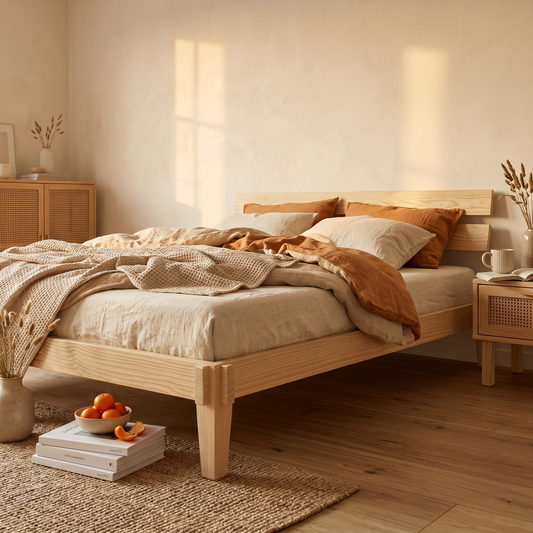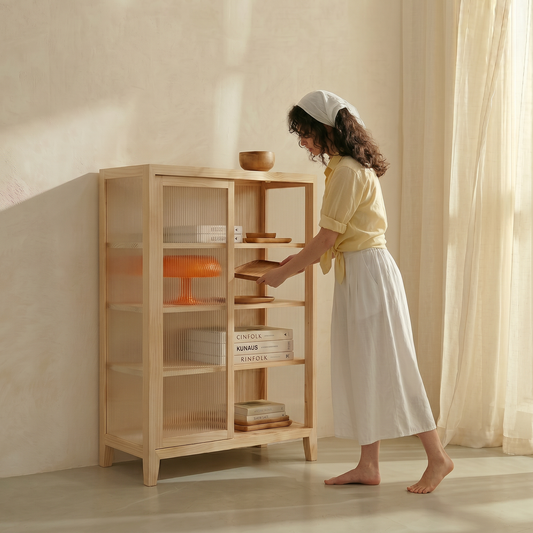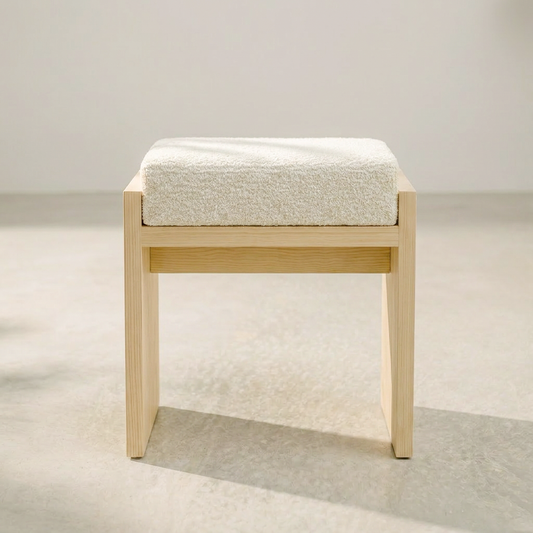

Sustainable wooden furniture is a phrase many buyers now look for, and for good reason. People want homes that feel warm and beautiful, but they also want to make choices that are more responsible. The difficulty is that sustainability is often described in broad and attractive language without enough detail to help a buyer understand what it really means.
A piece of furniture may be called natural, eco friendly, or sustainable, but those words alone do not tell the full story. What matters is how the wood is sourced, how the piece is made, how long it is likely to last, and whether the brand is being honest about the process.
For buyers in India, where the furniture market includes everything from handcrafted pieces to fast moving factory products, learning what to look for can make the decision much clearer.
Why sustainability in furniture needs a closer look
Not all wooden furniture is equally sustainable. Wood is a natural material, but that does not automatically make every wooden product responsible. Sustainability depends on the full life of the piece, from sourcing to making to long term use.
A product that uses reclaimed or waste wood may reduce pressure on fresh timber. A well made piece that lasts for years may be more responsible than a cheaper one that needs replacement quickly. A handmade product made in smaller batches may carry a different kind of value than something produced only for speed and volume.
This is why buyers need more than labels. They need signals of substance.
Start with the source of the wood
One of the first things to look for is clarity around where the wood comes from.
Useful questions include:
- Is the wood reclaimed, recycled, or freshly cut
- If it is fresh wood, is it ethically sourced
- Does the brand explain the material honestly
- Is the wood type clearly mentioned
Reclaimed wood can be a strong sustainability marker because it gives existing material a second life. It also often carries character and variation that make the furniture feel more grounded and unique.
When a brand speaks clearly about reclaimed pine, industrial waste wood, or other responsible sourcing methods, that usually gives buyers more confidence than vague green language.
Durability is part of sustainability
One of the most overlooked parts of sustainable furniture is longevity. A piece that lasts well is often more sustainable than one that is cheaper but short lived.
This means buyers should look for:
- Solid construction
- Real wood or durable materials
- Repair potential
- Timeless design rather than trend driven styling
- A finish that can age well
Furniture that stays useful for years reduces the need for replacement and supports a slower more thoughtful way of living.
Look for honest craftsmanship
How a piece is made also matters. Handmade or small batch furniture can often reflect more careful use of material and more attention to quality. That does not automatically guarantee sustainability, but it can be a meaningful sign when paired with honest sourcing and durable construction.
Buyers should notice whether the brand shares:
- Material details
- Process visibility
- Workshop or making information
- Real product close ups
- Care guidance
Transparency is often one of the strongest signs that a brand takes its work seriously.
Be careful with vague eco language
Terms like green, natural, conscious, and eco friendly can sound reassuring, but they are not enough on their own.
A buyer should pause if:
- The brand makes sustainability claims without explaining them
- There is no mention of wood type or sourcing
- The product looks heavily processed but is described only in broad ethical terms
- Durability and long term use are not discussed at all
Real sustainability usually comes with specifics.
Why timeless design matters too
Sustainability is not only about the material. It is also about whether the piece will continue to belong in your home over time.
Furniture that follows short lived trends may be replaced sooner even if it is made from decent material. Timeless design supports longer use because it stays relevant and easier to live with across changing interiors.
This is one reason simple wooden furniture often works so well. It does not need to chase attention. It stays useful and visually calm.
If you want to explore pieces shaped by this kind of thinking, the furniture collection offers a useful direction rooted in warmth, utility, and simplicity.
A piece like the Quiet Console Table also reflects how a functional object can remain visually timeless while supporting everyday use.
What buyers in India should ask before purchasing
Before buying sustainable wooden furniture, it helps to ask a few direct questions:
- What type of wood is used
- Is the wood reclaimed or ethically sourced
- How is the piece finished
- Is it solid wood or engineered board
- How should it be maintained
- Is the design meant for long term use
These questions do not make the process complicated. They simply make it more honest.
Final thoughts
Sustainable wooden furniture in India is worth seeking, but it deserves a closer look than marketing language alone can offer. Buyers should look for responsible sourcing, real durability, honest craftsmanship, and timeless design. These are the qualities that turn sustainability from a claim into a practice.
When furniture is made with care and chosen with awareness, it supports not only the home but also a more thoughtful way of living. That is often where true sustainability begins.
FAQ
What makes wooden furniture sustainable?
Sustainable wooden furniture usually involves responsible sourcing, durable construction, honest craftsmanship, and long term usability.
Sustainable wooden furniture usually involves responsible sourcing, durable construction, honest craftsmanship, and long term usability.
Is reclaimed wood better for sustainable furniture?
It can be a strong choice because it reuses existing material and reduces the need for fresh timber.
It can be a strong choice because it reuses existing material and reduces the need for fresh timber.
How can I tell if a furniture brand is genuinely sustainable?
Look for clear material details, sourcing information, transparency about making, and signs of durability.
Look for clear material details, sourcing information, transparency about making, and signs of durability.
Why is durability important in sustainable furniture?
Because furniture that lasts longer reduces replacement and supports more responsible long term use.
Because furniture that lasts longer reduces replacement and supports more responsible long term use.