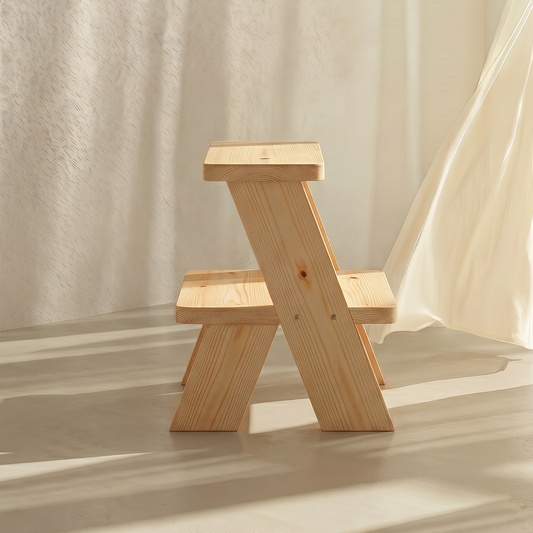

Storage is one of the biggest challenges in a small home. There is always something that needs a place, but if storage becomes too bulky or too visible, the room can start to feel crowded instead of organized. This is why choosing the right storage cabinet matters so much. It is not only about how much it can hold. It is also about how it sits in the room and how it affects the feeling of the space.
A good storage cabinet should make daily life easier. It should help reduce clutter, support routines, and still allow the room to breathe. In homes where every square foot matters, that balance between utility and visual calm becomes especially important.
The best cabinets do not draw too much attention to themselves. They quietly do their job while helping the room feel more settled, more useful, and more complete.
Why storage can create clutter if chosen poorly
It may seem strange, but storage itself can become a source of visual clutter. A cabinet that is too large, too heavy, or too detailed can make a room feel tighter even if it is helping you store more things.
This happens because furniture affects both physical space and visual space. A bulky cabinet may technically solve a storage problem, but if it dominates the room, the overall effect can still feel overwhelming.
In small homes, the goal is not maximum storage at any cost. The goal is thoughtful storage that supports the room rather than taking it over.
What makes a storage cabinet work well in a small home
The most useful storage cabinets usually share a few qualities.
- Clean lines that do not feel visually heavy
- Proportions that suit the room
- Enough internal storage for real use
- A material that adds warmth rather than noise
- A design that feels easy to live with over time
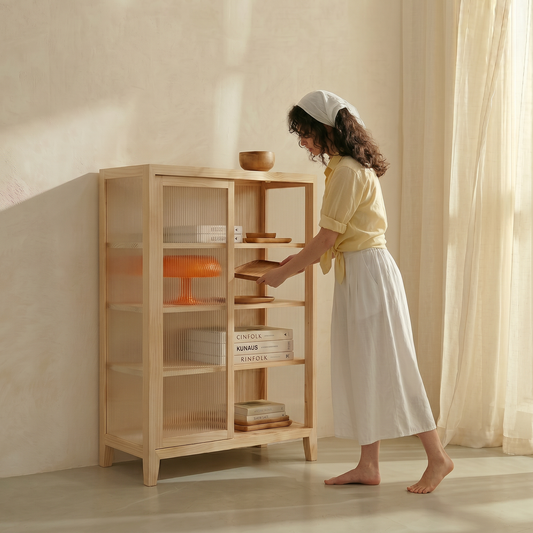
Wooden cabinets often work especially well because they bring warmth and texture while still feeling grounded. A simple pine wood cabinet, for example, can support minimal interiors beautifully because it feels natural and calm rather than cold or overly polished.
Closed storage is also helpful in smaller homes because it hides visual clutter. Open shelving has its place, but cabinets are often better when you want the room to feel quieter.
How to choose the right cabinet size
Size is one of the most important decisions. A cabinet should solve a problem without creating a new one.
A few practical questions help:
- What exactly needs to be stored?
- Which room needs the cabinet most?
- How much floor space can you realistically give it?
- Will it interrupt movement or make the room feel blocked?
- Does the height feel balanced with the rest of the furniture?
In smaller rooms, a tall and narrow cabinet may work better than a wide one. In other spaces, a low cabinet can double as a surface for decor, lighting, or daily essentials. The right choice depends on the room and how you use it.
Best places to use storage cabinets in small homes
Storage cabinets can be useful in many parts of the home when chosen thoughtfully.
In living rooms
A cabinet can hide everyday items like chargers, papers, games, or extra textiles while keeping the room visually calm.
In bedrooms
A compact cabinet can support clothing, accessories, or spare bedding without making the room feel overfurnished.
In entryways
A slim cabinet can help organize shoes, bags, and daily essentials while keeping the entrance tidy.
In dining or multipurpose spaces
A cabinet can store tableware, serving pieces, or work related items if the room serves more than one role.
How to keep cabinets from feeling heavy
Even useful cabinets can feel too dominant if the styling and placement are not considered.
Choose simple shapes
Clean lines and restrained detailing usually feel lighter in small spaces.
Let the room breathe around the cabinet
Do not crowd it with too many surrounding objects. Some empty space helps the cabinet feel intentional.
Use the top surface carefully
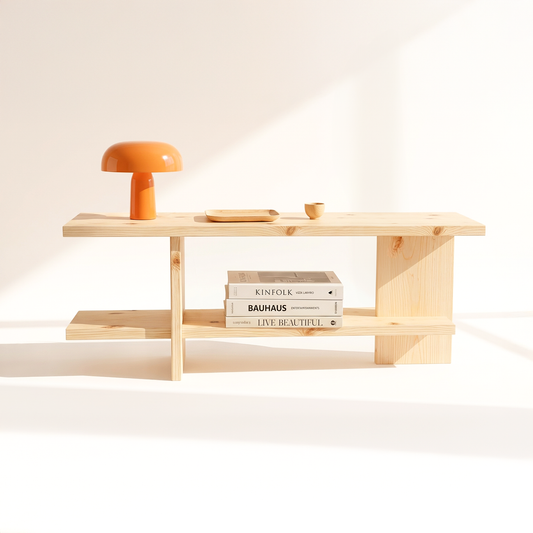
A few objects are enough. A lamp, one ceramic piece, or a stack of books can work well. Too much decor can make the cabinet feel cluttered again.
Match the cabinet to the room’s tone
Natural wood and calm finishes often blend more easily into minimal interiors.
Common mistakes to avoid
A few common choices can reduce the effectiveness of storage cabinets in small homes.
Buying more storage than you need
A cabinet that is too large can solve one problem while creating another.
Choosing something too ornate
Heavy detailing can make the room feel visually busy.
Filling every cabinet completely
Good storage should leave some flexibility. Overstuffed cabinets often lead to overflow elsewhere.
Ignoring movement around the piece
Always consider how the cabinet affects walking space and daily use.
Final thoughts
Storage cabinets are most successful when they do more than hold things. They should help the home feel calmer, easier to use, and more visually balanced. In small homes, that means choosing pieces that are practical without being overpowering.
A well chosen wooden cabinet can bring together utility, warmth, and quiet structure in a way that supports everyday living. When storage feels thoughtful rather than heavy, the whole home benefits.
FAQ
What kind of storage cabinet is best for a small home?
A cabinet with clean lines, the right proportions, and enough closed storage for daily essentials usually works best in a small home.
A cabinet with clean lines, the right proportions, and enough closed storage for daily essentials usually works best in a small home.
Should storage cabinets be open or closed?
Closed cabinets often work better in small homes because they hide visual clutter and help the room feel calmer.
Closed cabinets often work better in small homes because they hide visual clutter and help the room feel calmer.
Where should I place a storage cabinet in a small home?
Living rooms, bedrooms, entryways, and dining areas can all work well depending on what needs to be stored.
Living rooms, bedrooms, entryways, and dining areas can all work well depending on what needs to be stored.
How do I make a storage cabinet look less bulky?
Choose simple shapes, keep some space around it, use the top surface lightly, and select a warm natural finish.
Choose simple shapes, keep some space around it, use the top surface lightly, and select a warm natural finish.