
A home is more than a collection of furniture and finishes — it's a reflection of who you are, what you value and how you want to live. Designing a soulful space means making choices that are intentional, meaningful and aligned with your deepest values. In India, where home is central to family, culture and identity, this kind of design carries particular resonance.
What Makes a Space Soulful?
A soulful space has warmth, character and a sense of presence. It feels lived-in without being cluttered. It reflects the people who inhabit it — their travels, their traditions, their tastes. It is not a showroom; it is a sanctuary.
How to Design with Values and Intentions
1. Choose materials that align with your values. If sustainability matters to you, choose sustainably sourced wood, natural textiles and handcrafted pieces. If craftsmanship matters, invest in pieces made by skilled artisans. Let your furniture choices reflect what you stand for.
2. Display what is meaningful. A soulful home is curated, not decorated. Display objects that carry personal meaning — a family heirloom, a piece of art from a trip, a handmade gift. These objects tell your story.
3. Design for how you actually live. A home should support your daily rituals — your morning chai, your evening reading, your family meals. Design spaces that make these moments more beautiful and more intentional.
4. Embrace imperfection. Soulful spaces are not perfect. They show signs of life — a worn wooden surface, a faded textile, a plant that has grown beyond its pot. These imperfections are what make a space feel real and alive.
5. Create stillness. Leave some space empty. A soulful home breathes. Not every surface needs to be filled, not every wall needs art. Stillness is part of the design.
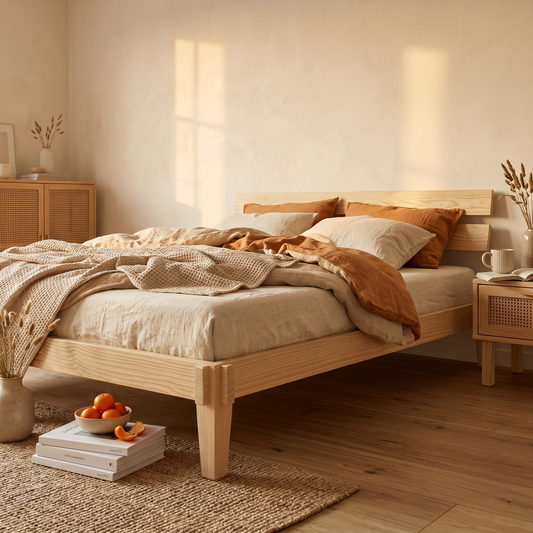
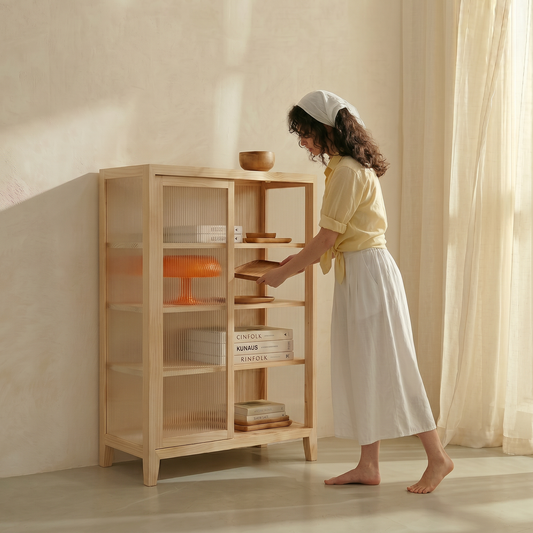
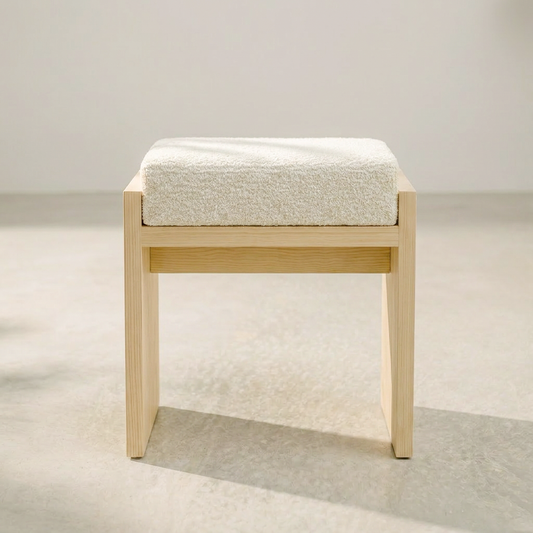
Handcrafted Japandi pinewood furniture with soul.
Every A Good Life piece is made by hand from solid Canadian pinewood — with visible grain, natural knots and a quiet character that becomes part of your home's story. Shop all pinewood furniture →