
When people shop for furniture or home decor, the first thing they often notice is the look. The shape feels right, the finish looks attractive, and the size seems to fit. But what truly decides how a piece will age is often the material beneath the surface. This is where the difference between solid wood and MDF becomes important.
At first glance, the two can appear similar in some products. Both can be painted, shaped, and used in a wide range of furniture styles. But over time, they behave very differently. One tends to grow more beautiful with age and use. The other often begins to show its limits much sooner.
If you are choosing furniture for long term use, it helps to understand not only what these materials are, but how they respond to everyday life. Durability, maintenance, repair, and overall feel all matter more than they might seem in the beginning.
What solid wood actually is
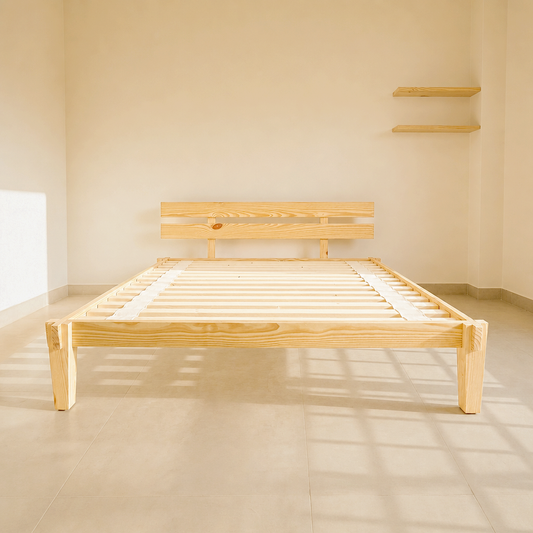
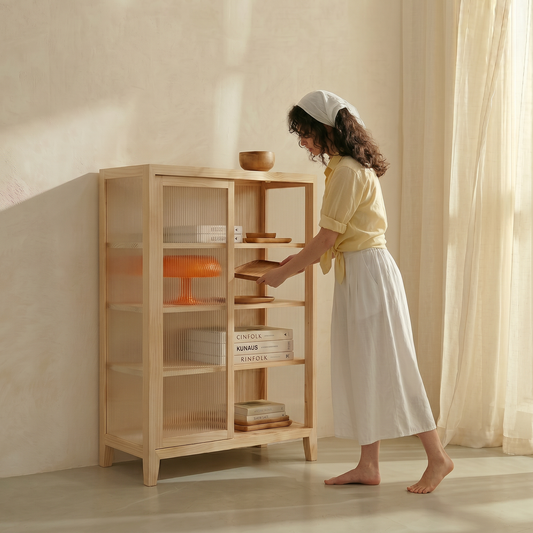
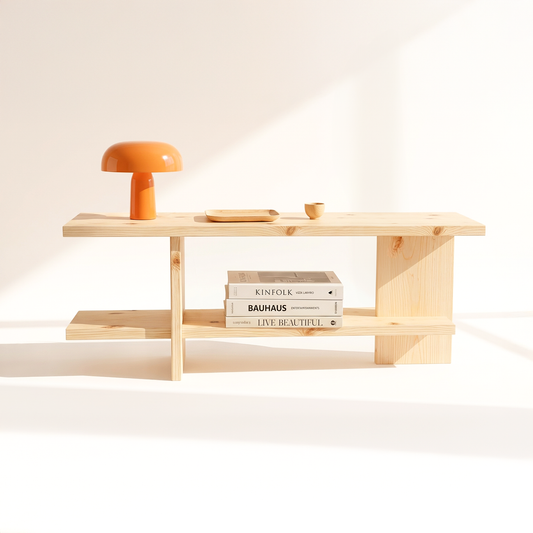
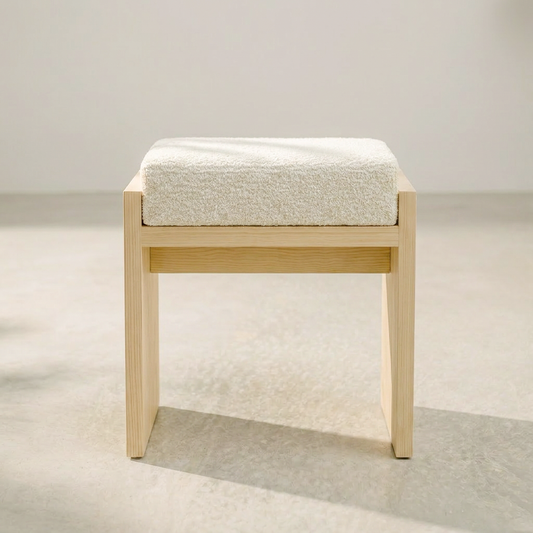
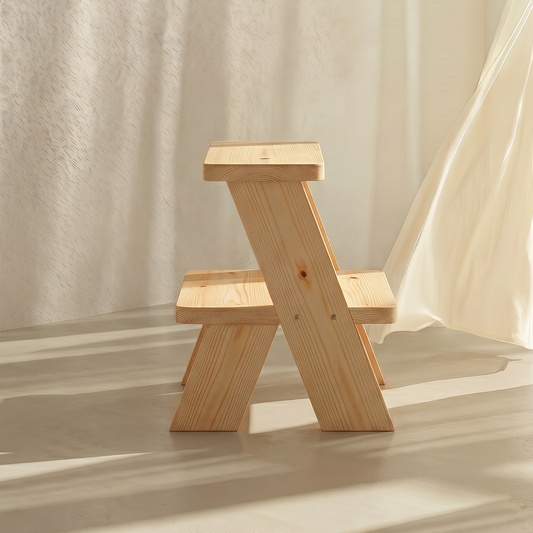
Solid wood is made from natural timber cut directly from a tree and shaped into furniture or decor pieces. It carries the grain, texture, and natural variation of the wood itself. Pine wood, for example, has a warmth and softness that gives furniture a more organic and lived in character.
Because solid wood is natural, no two pieces are exactly alike. This variation is often part of its appeal. It brings depth, texture, and a sense of authenticity that is difficult to replicate with manufactured materials.
Solid wood also tends to age in a more graceful way. Minor marks, shifts in tone, and the softening of the surface often add character rather than taking away from it.
What MDF actually is
MDF stands for medium density fiberboard. It is an engineered material made by compressing wood fibers with resin and wax under heat and pressure. It is smooth, uniform, and often used in furniture that is painted or machine finished.
Because MDF has no natural grain, it can create a very even surface. This makes it popular for certain types of furniture and decorative panels. It is also often less expensive than solid wood, which is one reason it is widely used.
But MDF behaves differently in daily life. It does not have the same structural character as solid wood and it is usually more vulnerable to moisture, swelling, and edge damage over time.
Durability over the long term
If long term use is the priority, solid wood usually performs better.
Solid wood can handle years of everyday use when it is made well and cared for properly. It can often be repaired, refinished, sanded, or restored if needed. This gives it a longer life and makes it more forgiving in real homes where furniture is touched, moved, and used often.
MDF, by contrast, is usually less forgiving. If it chips, swells, or gets damaged by moisture, repair is often more difficult. Once the surface breaks down, the piece may not recover well. This is especially important in areas like kitchens, bathrooms, or homes with frequent use.
For furniture that is expected to last, solid wood generally offers more resilience and more value over time.
Appearance and feel
Material is not only about performance. It also changes how a piece feels in the room.
Solid wood brings warmth, grain, and natural variation. It tends to feel more grounded and more alive. In calm and minimal homes, this can make a big difference because natural materials often soften the space and create a more timeless atmosphere.
MDF can look neat and uniform, especially in painted finishes, but it usually lacks the depth and tactile quality of real wood. It may suit some modern applications, but it rarely carries the same richness or character.
If you want furniture that feels warm, natural, and quietly expressive, solid wood usually offers more.
Maintenance and repair
One of the biggest advantages of solid wood is that it can often be maintained and repaired over time. Small scratches can be softened. Surfaces can be refinished. A well made piece can continue to serve even after years of use.
MDF is more limited in this way. Once it is chipped or swollen, especially around edges or corners, it is harder to restore convincingly. This can shorten the useful life of the piece.
For people who prefer buying fewer better things, this difference matters. A material that can be maintained is often more aligned with long term living than one that needs replacement sooner.
Cost and value
MDF is often cheaper upfront. For short term needs or low use situations, that may feel practical. But lower initial cost does not always mean better value.
Solid wood usually costs more because it is a natural material and often involves more skilled craftsmanship. But if the piece lasts longer, ages better, and can be repaired, the long term value may be stronger.
The real question is not only what costs less today. It is what serves you better over time.
Which is better for home decor and furniture
The answer depends on what you need, but for long term use, solid wood is usually the better choice.
It offers:
- Better durability
- More natural beauty
- Greater repair potential
- Stronger long term value
- A warmer and more timeless feel
MDF may still suit certain low impact uses, especially where budget is the main priority or where a painted finish is more important than longevity. But for furniture and decor meant to stay with you, solid wood generally holds up better in both function and feeling.
Final thoughts
Choosing between solid wood and MDF is really a choice between short term convenience and long term value. Both materials have their place, but they are not equal in how they age, perform, or feel in everyday life.
If you want furniture that carries warmth, character, and durability over time, solid wood is usually the stronger choice. It may ask for a little more investment in the beginning, but it often gives much more back through years of use, repairability, and quiet beauty.
FAQ
Is solid wood better than MDF for furniture?
For long term use, yes. Solid wood is usually more durable, more repairable, and more valuable over time than MDF.
For long term use, yes. Solid wood is usually more durable, more repairable, and more valuable over time than MDF.
Does MDF last long?
MDF can work for some lower use applications, but it is generally less durable than solid wood and more vulnerable to moisture and edge damage.
MDF can work for some lower use applications, but it is generally less durable than solid wood and more vulnerable to moisture and edge damage.
Why is solid wood more expensive?
Solid wood is a natural material and often involves more craftsmanship, better durability, and longer lasting value.
Solid wood is a natural material and often involves more craftsmanship, better durability, and longer lasting value.
Can MDF look like real wood?
It can imitate the appearance in some cases, but it usually does not have the same grain, depth, warmth, or long term character as real wood.
It can imitate the appearance in some cases, but it usually does not have the same grain, depth, warmth, or long term character as real wood.