
A small home can feel warm, efficient, and deeply comforting when it is organized well. But when storage is not working, even a beautiful space can start to feel crowded quickly. The problem is not always that there is too little room. Often, it is that too many things are competing for the same surfaces, corners, and shelves.
When this happens, people often try to solve it all at once. They buy more containers, move things around, and attempt a full home reset in one day. That usually creates more fatigue than clarity. A better approach is slower and more practical. Organize one room at a time and let each space teach you what you actually need.
This method works because every room has its own rhythm. The kitchen collects one kind of clutter. The bedroom collects another. The entryway, bathroom, and living room all have different demands. When you look at them separately, better storage decisions become easier.
Why one room at a time works better
Trying to organize the whole home in one sweep often leads to half finished systems. Items get shifted from one room to another without truly finding a place. The home may look better for a day, but the clutter returns quickly because the root problem was never solved.
A room by room approach is more sustainable. It helps you:
- Understand what each space is actually used for
- Notice which items belong there and which do not
- Choose storage based on real habits
- Create systems that are easier to maintain
This also makes the process emotionally lighter. Small progress is easier to continue than one large exhausting effort.
Start with the room that affects daily life most
Not every room needs attention first. Begin with the one that creates the most friction in everyday life.
For some homes, that is the kitchen because counters are always crowded. For others, it is the bedroom because clothes and essentials have no clear place. In some homes, the entryway creates stress because bags, shoes, and keys gather there every day.
Starting with the room that affects your routine most gives the biggest immediate relief.
Living room storage ideas
The living room often becomes a shared holding space for many things. Books, chargers, remotes, papers, blankets, and decorative items can all begin to collect here.
A few simple ideas help:
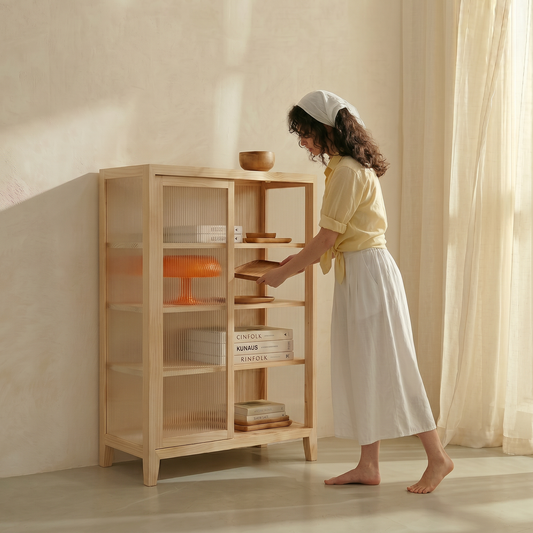
- Use a storage cabinet for items you do not want visible
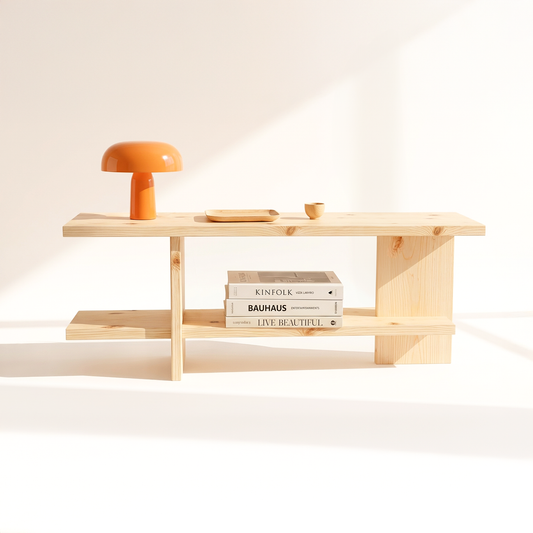
- Add one shelf for books or selected objects
- Keep surfaces lightly styled rather than fully filled
- Give everyday loose items one dedicated basket or drawer
The goal is not to remove personality. It is to reduce scattered visual noise.
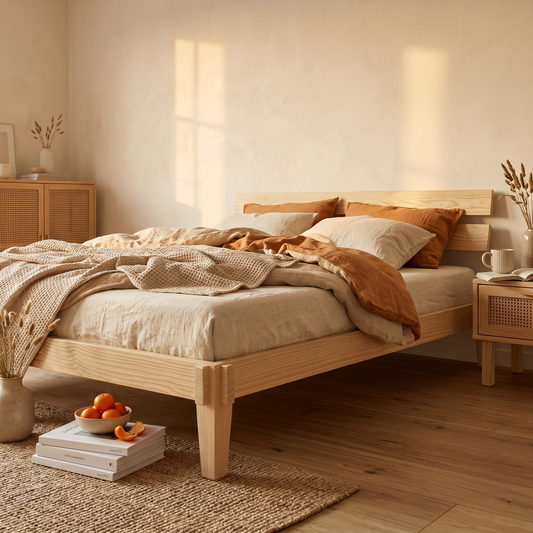
Bedroom storage ideas
Bedrooms need calm more than almost any other room. But they also hold many daily essentials, from clothing to books to personal items.
Helpful approaches include:
- Use bedside tables with useful storage
- Keep only a few visible items on top surfaces
- Store seasonal or less used items separately
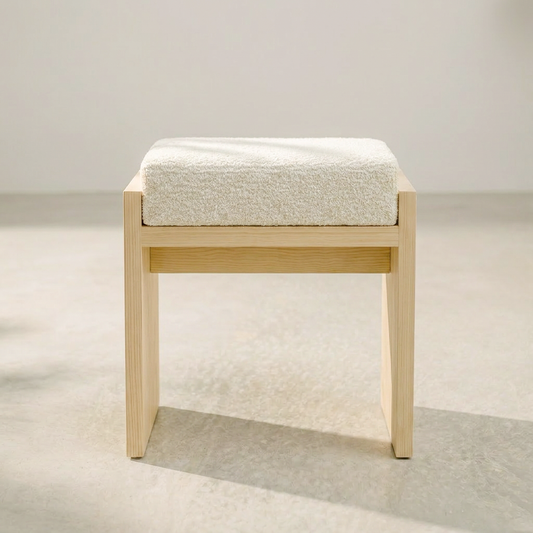
- Use one chair or bench intentionally rather than letting multiple surfaces collect clothes
A bedroom feels more restful when storage supports routine quietly.
Kitchen storage ideas
In small homes, the kitchen often needs the most discipline. Counters fill quickly and cabinets can become difficult to manage.
Try this:
- Keep only daily essentials on the counter
- Group similar items together by use
- Use trays or holders for oils, utensils, or tea items
- Store backup supplies out of sight
- Leave one prep area clear
A kitchen does not need to be empty to feel calm. It just needs clearer boundaries.
Bathroom storage ideas
Bathrooms are small, but they carry many routines. This makes them easy to overcrowd.
A few useful ideas:
- Keep only daily use products visible
- Store extras in closed storage if possible
- Use small wooden accessories or trays to group essentials
- Avoid filling every corner with products
When bathroom storage is simplified, the room feels cleaner even before cleaning begins.
Entryway storage ideas
The entryway shapes the first and last moments of the day. If it is disorganized, the whole home can feel unsettled.
Useful entryway storage can include:
- A slim cabinet for shoes or essentials
- A bench with practical use
- One tray or bowl for keys and small items
- A clear place for bags
This area works best when it supports movement rather than becoming a drop zone for everything.
Choose storage that feels calm
Not all storage improves a room. Some pieces add more visual weight than they remove. In small homes, this matters a lot.
Look for storage that is:
- Proportionate to the room
- Simple in shape
- Useful for real needs
- Warm in material
- Easy to maintain
Wooden storage often works well because it adds warmth while still feeling grounded and timeless.
Final thoughts
Small home storage works best when it grows from real life rather than from pressure to organize perfectly. One room at a time is often the most effective way to begin. It helps you understand what each space needs and keeps the process manageable.
Over time, these smaller decisions create a home that feels calmer, clearer, and easier to live in. That is often the true goal of organization. Not perfection, but ease.
FAQ
How do I organize a small home without feeling overwhelmed?
Focus on one room at a time and start with the space that affects your daily routine most.
Focus on one room at a time and start with the space that affects your daily routine most.
What is the best storage for small homes?
The best storage is simple, proportionate, and based on real use. Closed cabinets, shelves, and compact wooden pieces often work well.
The best storage is simple, proportionate, and based on real use. Closed cabinets, shelves, and compact wooden pieces often work well.
How do I keep a small home clutter free?
Keep only useful items visible, group similar things together, and create one clear place for everyday essentials.
Keep only useful items visible, group similar things together, and create one clear place for everyday essentials.
Which room should I organize first?
Start with the room that creates the most daily stress, such as the kitchen, bedroom, or entryway.
Start with the room that creates the most daily stress, such as the kitchen, bedroom, or entryway.