
Reclaimed wood furniture is sustainable, full of character and often more beautiful than new wood — but quality assessment is crucial. Knowing what to look for protects you from poor purchases and helps you find pieces that will last for decades.
What to Check When Buying Reclaimed Wood
Grain: Tight, straight grains indicate durability and density. Old-growth reclaimed wood typically has tighter grain than new plantation timber — a sign of quality.
Cracks and warping: Minor surface flaws add charm and character. Avoid deeply split pieces or significant warping, which indicate structural weakness.
Joinery: Dovetail or mortise-and-tenon joints last far longer than pieces held together with nails or staples. Check the joints carefully — they reveal the quality of the craftsmanship.
Smell: Chemical or musty odours may signal pesticide treatment or lingering moisture. Fresh, natural wood should smell clean and earthy.
Pest damage: Avoid pieces with active termite holes or flaky, powdery surfaces. Old, inactive holes are acceptable and add character.
Provenance: Ask about the wood's previous use and finishing process. Ethical sourcing and transparency are signs of a trustworthy seller.
Finish: Eco-friendly finishes — natural oils, wax or low-VOC lacquers — are preferable for indoor air quality and sustainability.
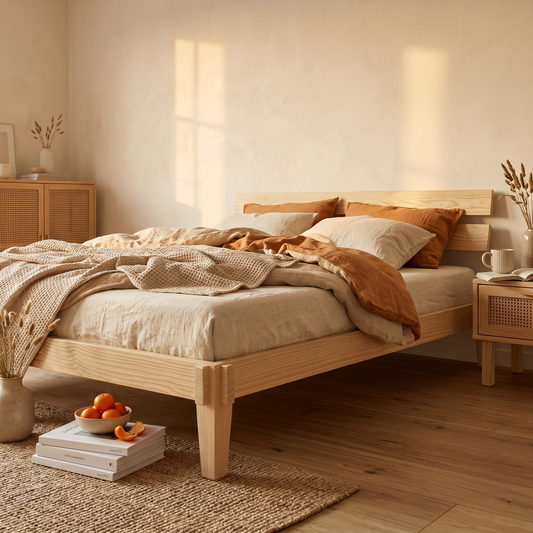
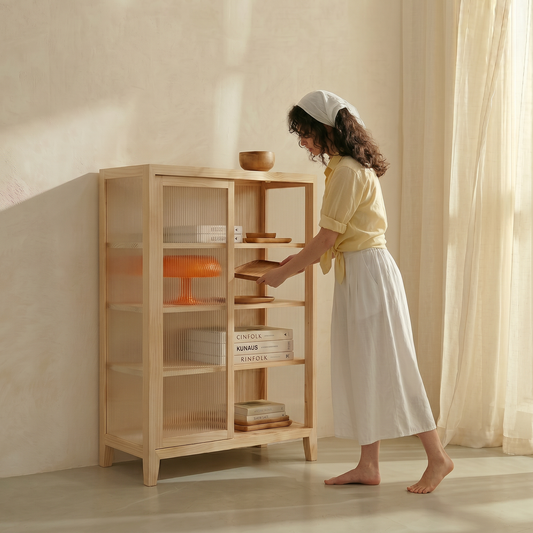
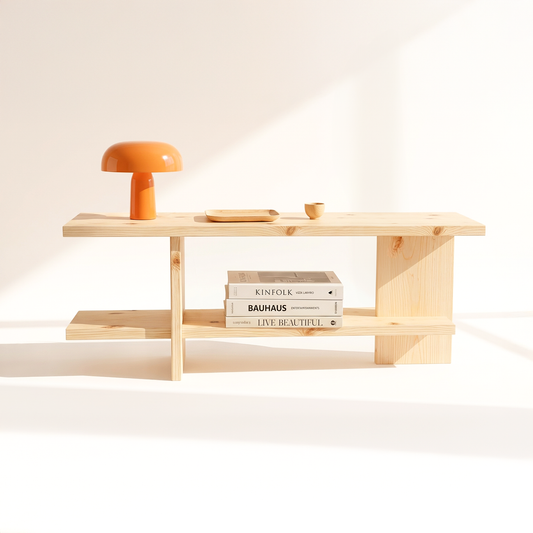
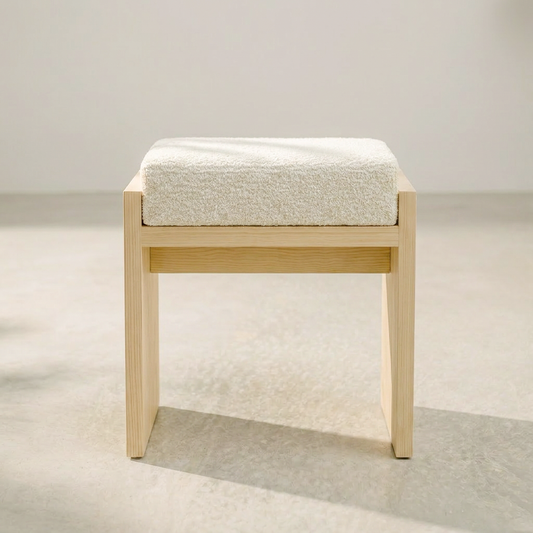
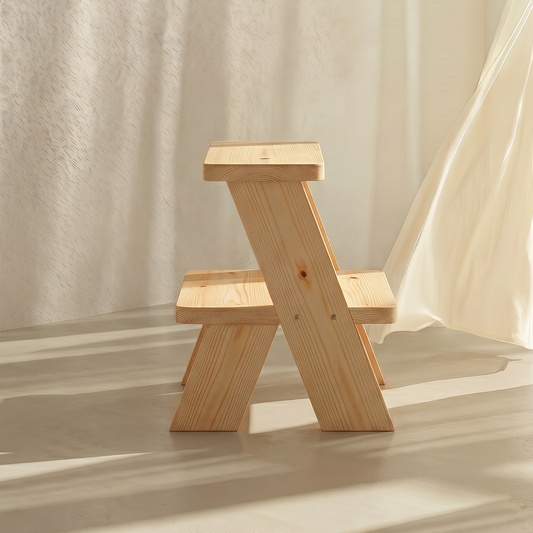
Sustainably sourced Canadian pinewood furniture from A Good Life.
Every A Good Life piece is crafted from solid Canadian pinewood with full transparency about sourcing and finishing. Shop all pinewood furniture →