
There's something deeply compelling about a piece of furniture that carries a history. Reclaimed wood — salvaged from old structures, barns, factories and demolished buildings — brings a story into your home that new timber simply cannot. And in 2025, this story is becoming increasingly important to Indian homeowners who value both aesthetics and sustainability.
Why Reclaimed Wood is Rising in Popularity
The rise of reclaimed materials in Indian home décor is driven by three converging forces: a growing awareness of environmental impact, a desire for unique and characterful pieces and a rejection of the uniformity of mass-produced furniture.
Reclaimed wood is denser, more stable and often more beautiful than new plantation timber. Its weathered grain, natural patina and visible history make each piece genuinely one of a kind.
How to Incorporate Reclaimed Wood in Your Home
Statement furniture: A reclaimed wood dining table, console or headboard becomes the anchor of a room — a piece with presence and personality.
Accent pieces: Reclaimed wood shelves, frames or trays add warmth and texture without dominating the space.
Mix with modern: Pair reclaimed wood with clean-lined modern furniture for a balanced, considered aesthetic. The contrast between old and new creates visual interest and depth.
Sustainably Sourced New Wood as an Alternative
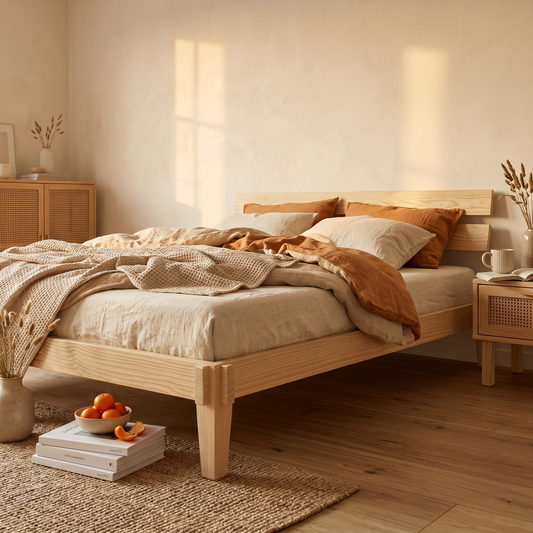
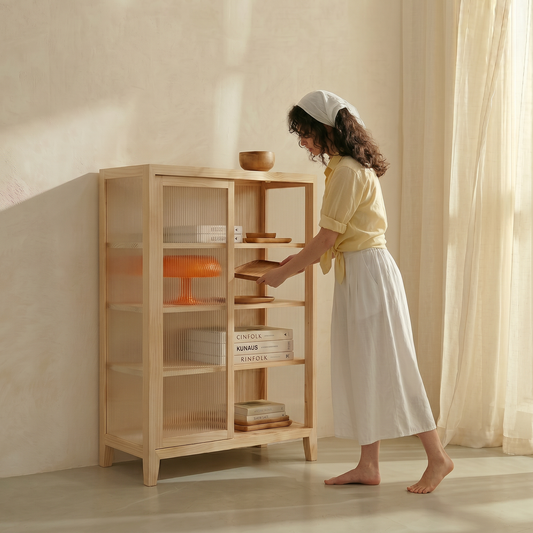
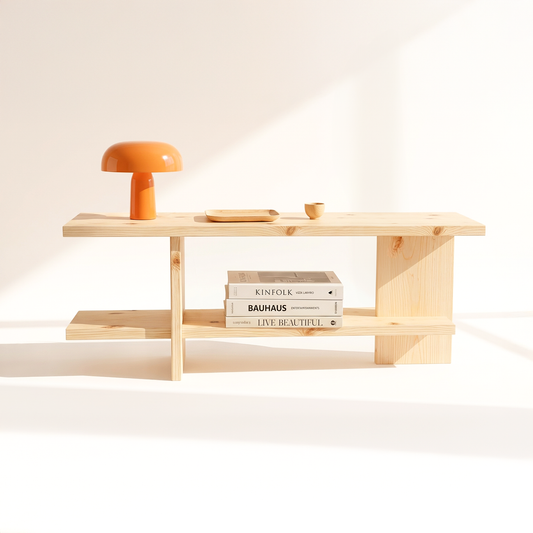
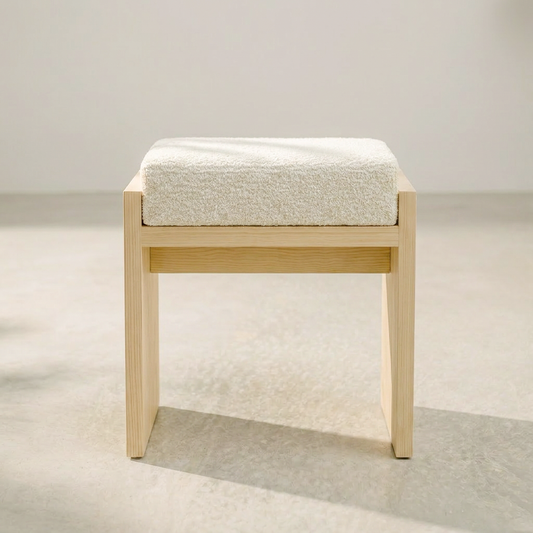
When reclaimed wood isn't available, sustainably sourced new wood — like Canadian pinewood from FSC-certified forests — is an excellent alternative. It offers the warmth and natural beauty of wood with a transparent, responsible supply chain.
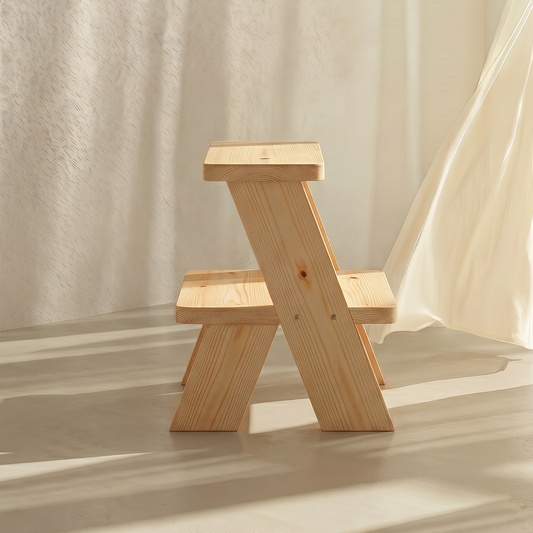
Handcrafted Canadian pinewood furniture with natural character.
Every A Good Life piece is crafted from solid Canadian pinewood — with visible grain, natural knots and a matte finish that develops character over time. Shop all pinewood furniture →