
Reclaimed wood furniture is often discussed in extremes. For some people, it represents the best of sustainable design. For others, it raises doubts about quality, finish, or long term reliability. These mixed opinions are understandable because reclaimed wood is one of those materials that people tend to imagine before they truly understand.
In reality, reclaimed wood furniture is not defined by one look or one level of quality. It can be beautifully refined or intentionally raw. It can feel minimal, modern, warm, and timeless when handled well. Like any material, its value depends on how it is selected, treated, and crafted.
If you are considering reclaimed wood furniture, it helps to move beyond assumptions. Many of the common beliefs around it are either incomplete or simply untrue.
Myth 1: Reclaimed wood always looks rough and rustic
This is one of the most common misunderstandings. People often imagine reclaimed wood as dark, distressed, and heavily textured with a rustic farmhouse feel. While some reclaimed pieces do look that way, reclaimed wood itself does not demand a rustic style.
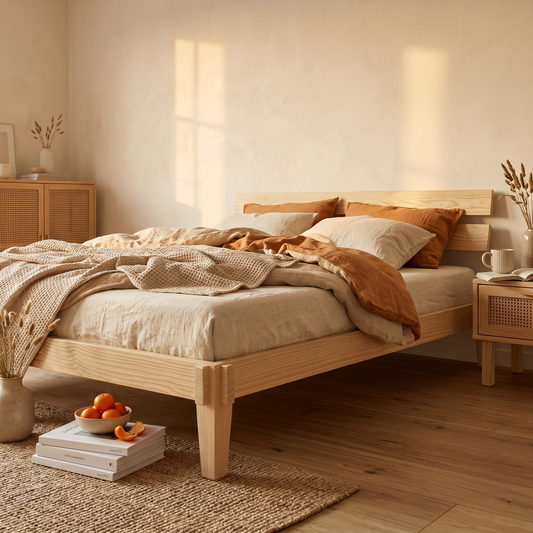
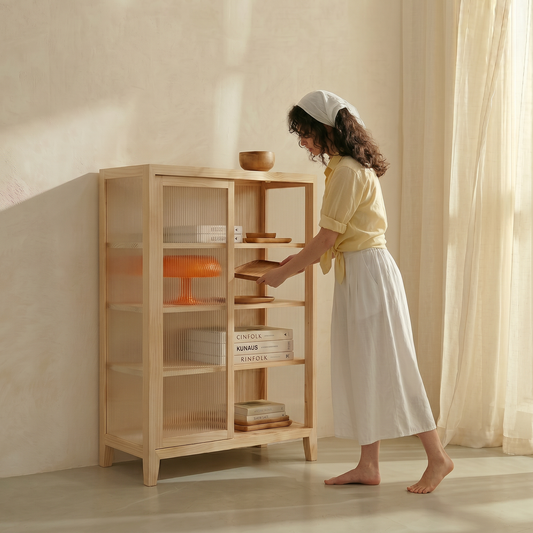
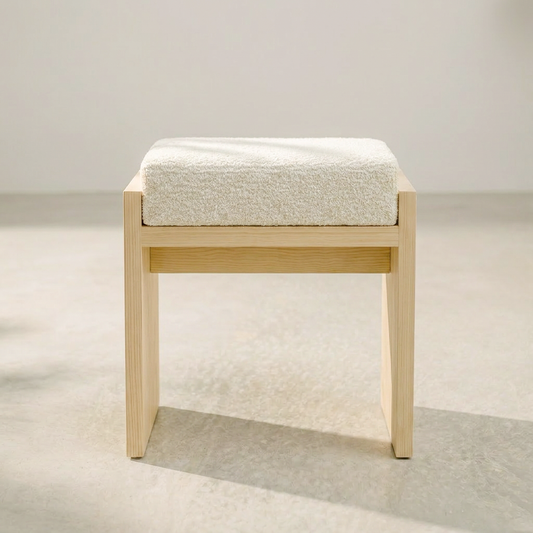
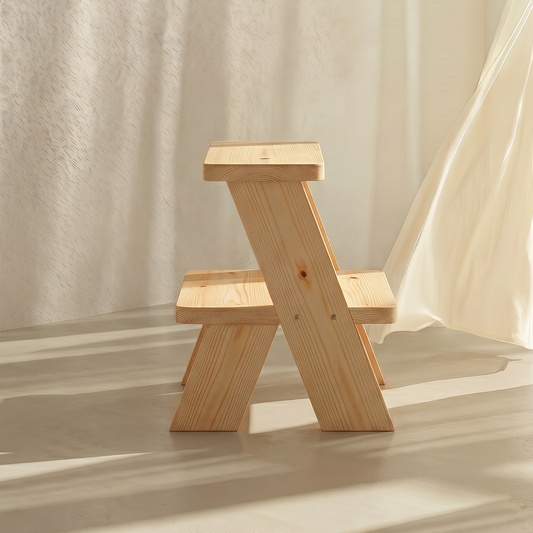
The final look depends on design and finishing. Reclaimed wood can be shaped into clean lined furniture that feels minimal and calm. It can work beautifully in Nordic inspired, contemporary, or softly modern interiors.
What matters is not the previous life of the wood alone. It is how the material is interpreted in the final piece.
Myth 2: Reclaimed wood is weaker than fresh wood
Many people assume that because reclaimed wood has already been used once, it must be less durable. In fact, reclaimed wood can be very strong when it is selected and processed properly.
The key is preparation. Good reclaimed wood furniture depends on:
- Careful material selection
- Proper treatment and drying
- Thoughtful construction
- Skilled finishing
If these steps are handled well, reclaimed wood can perform beautifully in everyday furniture. The issue is not whether the wood is reclaimed. The issue is whether the craftsmanship is sound.
Myth 3: Reclaimed wood means poor finish
Some buyers worry that reclaimed wood furniture will feel unfinished or inconsistent. But reclaimed does not mean careless. A well made reclaimed wood piece can be sanded, finished, and refined with just as much attention as any other wooden product.
In fact, one of the strengths of reclaimed wood is that it can hold both character and polish at the same time. It may show natural grain variation or subtle marks from its past, but that does not prevent it from feeling elegant or well resolved.
The best reclaimed furniture respects the material’s story without letting the piece feel rough or unresolved.
Myth 4: Reclaimed wood only matters for sustainability minded buyers
Sustainability is a major reason many people are drawn to reclaimed wood, but it is not the only reason. Reclaimed wood also appeals to buyers who care about warmth, texture, authenticity, and long term character.
A reclaimed wood piece often feels different from something highly processed or machine uniform. It carries a sense of material honesty that can make a home feel more grounded.
So even if a buyer is not starting from an environmental perspective, reclaimed wood can still be meaningful for aesthetic and emotional reasons.
Myth 5: Reclaimed wood furniture does not suit minimal homes
This idea comes from the assumption that reclaimed wood always looks heavy or dramatic. In truth, reclaimed wood can work very well in minimal homes when the design is restrained.
Simple silhouettes, balanced proportions, and calm finishes allow reclaimed wood to bring warmth without visual noise. In fact, this combination can be especially beautiful because minimal spaces often benefit from natural texture.
If you want to explore furniture that reflects this balance between utility, warmth, and thoughtful material use, the furniture collection offers a useful starting point.
A piece like the Quiet Console Table also shows how wood can feel calm and timeless rather than heavy or overstyled.
Myth 6: Reclaimed wood is only about appearance
Some people think reclaimed wood is chosen only for its story or visual character. But its value is often deeper than that. Reclaimed wood can reduce waste, extend the life of existing material, and support a slower approach to making.
When paired with durable construction and timeless design, it becomes more than a visual choice. It becomes part of a more responsible and intentional way of living with objects.
What actually matters when buying reclaimed wood furniture
Rather than asking whether reclaimed wood is good or bad, it is better to ask whether the piece itself is well made.
Look for:
- Clear information about the material
- Honest sourcing language
- Good finishing
- Strong construction
- A design that suits long term use
These are the things that determine whether reclaimed wood furniture will serve you well.
Final thoughts
Reclaimed wood furniture is often misunderstood because people attach one fixed image to it. But reclaimed wood is not a style. It is a material choice, and like any material, its success depends on design, craftsmanship, and care.
When handled thoughtfully, reclaimed wood can be durable, refined, sustainable, and deeply beautiful. The myths begin to fall away once you look at the furniture not as a trend or label, but as a real object shaped by real making.
FAQ
Is reclaimed wood furniture durable?
Yes, it can be very durable when the wood is properly selected, treated, and crafted into well made furniture.
Yes, it can be very durable when the wood is properly selected, treated, and crafted into well made furniture.
Does reclaimed wood always look rustic?
No. Reclaimed wood can also be used in minimal, modern, and refined furniture designs.
No. Reclaimed wood can also be used in minimal, modern, and refined furniture designs.
Is reclaimed wood furniture sustainable?
It can be a strong sustainable choice because it gives existing material a second life and can reduce waste.
It can be a strong sustainable choice because it gives existing material a second life and can reduce waste.
How do I know if reclaimed wood furniture is good quality?
Look for clear sourcing information, strong construction, careful finishing, and honest product details.
Look for clear sourcing information, strong construction, careful finishing, and honest product details.