
Interior design is more than just arranging furniture and choosing colour schemes — it has a profound impact on our mood, emotions and behaviour. From the colours we see to the way a space flows, every element of a room can shape our feelings, productivity and overall well-being. By understanding the psychology of space, we can create environments that promote happiness, relaxation and efficiency.
1. How Interior Design Affects Emotions
Open, airy spaces promote calmness and reduce stress. Cluttered or dark rooms can create feelings of anxiety or unease. Warm, cozy interiors evoke comfort and security. Bright, energetic spaces enhance focus and creativity.
2. The Power of Colour Psychology
Blue is calming and serene — ideal for bedrooms and offices. Green is refreshing and natural — great for relaxation areas. Yellow is energising and uplifting — perfect for kitchens and creative spaces. Neutral tones are timeless and grounding — ideal for creating balance.
3. The Role of Natural Light and Space Perception
Natural light boosts serotonin levels, improving happiness and productivity. Soft lighting creates cosiness and relaxation. Bright, white lighting enhances focus, making it great for workspaces. Maximise natural light with large windows, mirrors and light-reflecting materials.
4. The Influence of Layout and Flow
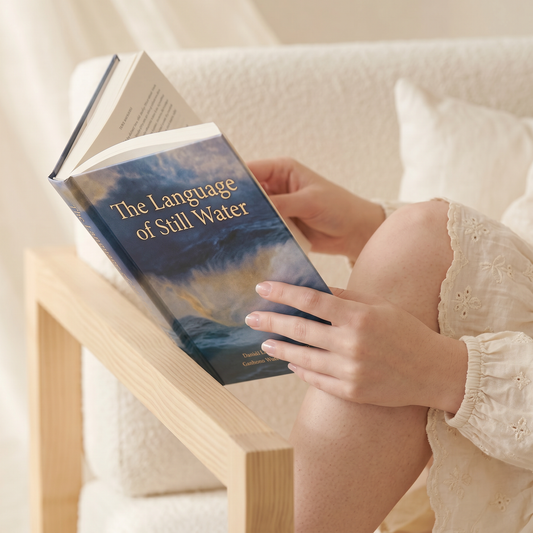
Open-concept designs encourage interaction and togetherness. Defined spaces like reading nooks and cozy corners create a sense of privacy. Symmetry in furniture arrangement promotes harmony and balance. Decluttered, organised spaces improve focus and reduce anxiety.
5. How Texture and Material Impact Emotions
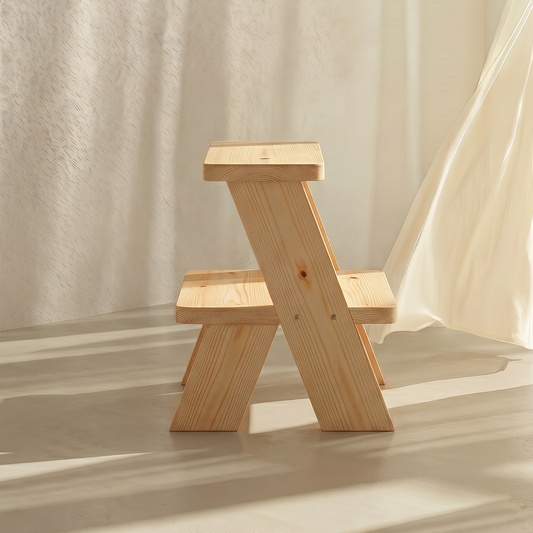
Soft fabrics (velvet, wool, cotton) provide comfort and warmth. Smooth surfaces (glass, metal) create a sleek, modern feel. Natural materials (wood, stone, bamboo) evoke a sense of tranquility. Mixing textures creates depth and visual interest, making spaces feel more inviting.
6. Personalization and Emotional Connection
Spaces that reflect personal tastes and memories promote a sense of belonging. Family photos and art pieces make a home feel personal. Meaningful objects create emotional connections. Custom furniture or handcrafted decor adds a unique, authentic touch.
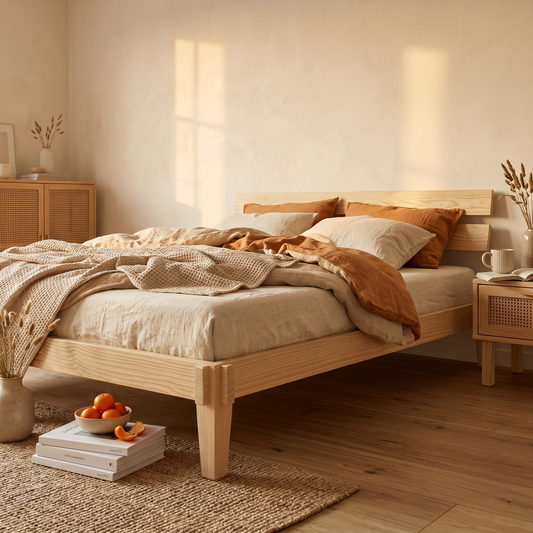
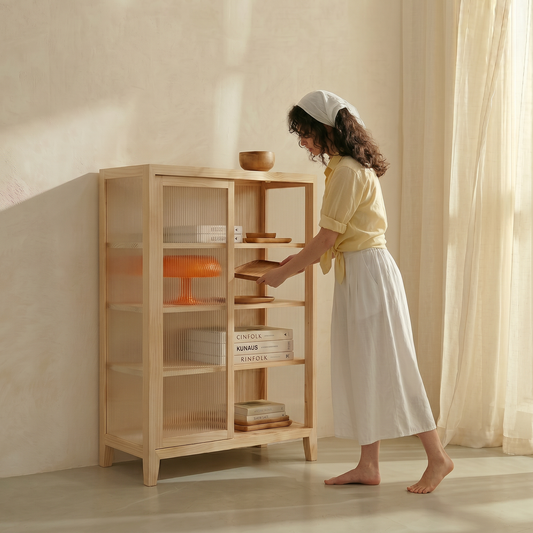
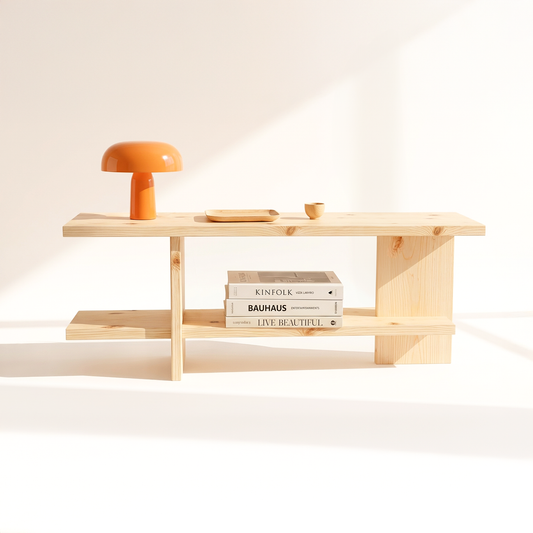
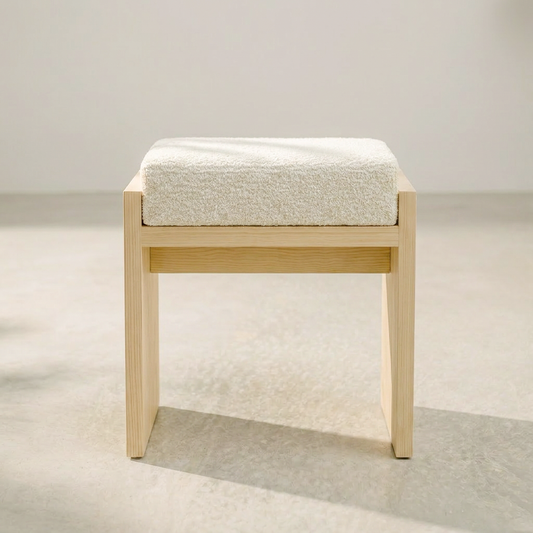
Handcrafted Japandi pinewood furniture designed for calm.
Natural Canadian pinewood — warm, tactile and grounding — brings the psychological benefits of natural materials into your home. Shop all pinewood furniture →