
The finish on a solid wooden bed is the detail that most affects how the bed looks and feels over time. Most buyers choose between matte and gloss based on how the bed looks in the showroom or in a product photograph. This is the wrong basis for the decision. The finish that looks best on day one is not always the finish that looks best in year five. Here is the honest comparison.
Gloss Finish: The Day-One Advantage
A high-gloss finish on a wooden bed looks impressive in a showroom. The surface is reflective, the colour appears rich and deep and the overall effect is one of luxury and precision. In a product photograph, a gloss-finished bed photographs beautifully — the reflections create visual interest and the surface appears flawless.
This is the finish that wins the showroom comparison. It is also the finish that ages worst.
What Gloss Does Over Time
A gloss finish is a sealed lacquer. It sits on top of the wood rather than penetrating it, which means it creates a barrier between the wood and the environment. In Indian humidity conditions, this barrier traps moisture inside the wood rather than allowing it to breathe. The result, over multiple monsoon cycles, is internal stress that eventually manifests as cracking or bubbling of the lacquer surface.
Gloss finishes also show every scratch, every fingerprint and every mark with maximum visibility. The reflective surface that makes the bed look impressive in a showroom makes every imperfection visible in daily use. A scratch on a gloss-finished bed is a permanent, visible mark. A scratch on a matte-finished bed is barely noticeable.
By year three, a gloss-finished wooden bed in an Indian bedroom typically shows yellowing of the lacquer in areas exposed to UV light, cracking or bubbling at stress points and visible scratches at the corners and edges where daily contact is highest. The bed that looked impressive on day one looks tired by year three.
Matte Finish: The Long Game
A matte oil or wax finish penetrates the wood rather than sitting on top of it. It does not create a barrier between the wood and the environment. Instead, it allows the wood to breathe — to absorb and release moisture naturally as the humidity changes. In Indian conditions, this means the wood manages seasonal humidity changes without internal stress.
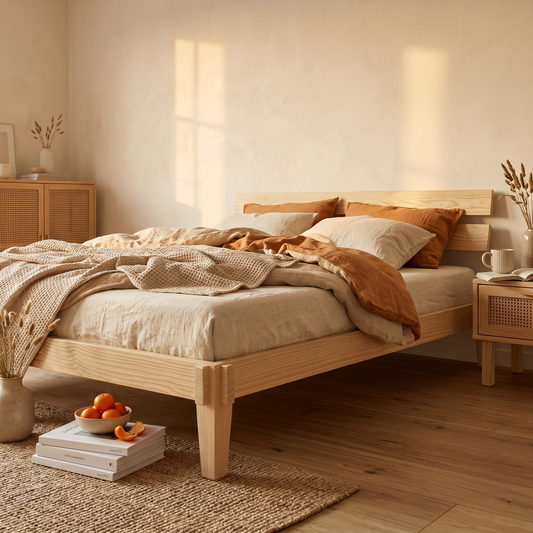
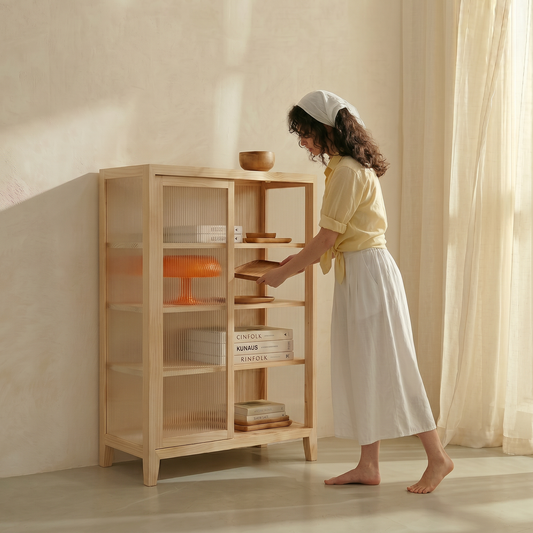
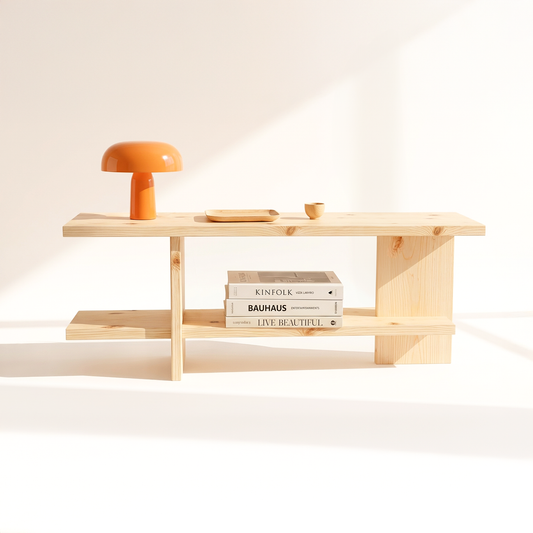
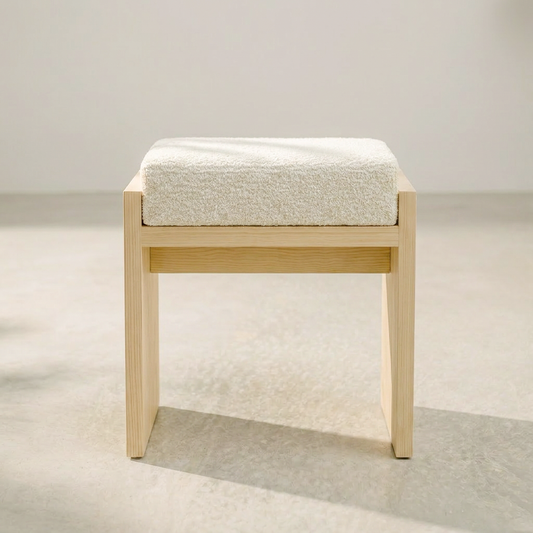
A matte finish also hides imperfections rather than amplifying them. Fingerprints are not visible. Minor scratches are barely noticeable. The surface reads as warm and natural rather than as a reflective coating that has been applied to wood.
Most importantly, a matte oil finish is repairable. A scratch or dent can be addressed with light sanding and a fresh application of oil, returning the surface to its original condition. A gloss lacquer finish cannot be repaired in this way — a scratch requires professional refinishing or replacement of the affected panel.
Year Five: The Comparison That Matters
At year five, a matte-finished solid wooden bed looks better than it did on day one. The oil has deepened into the wood, the colour has developed a warmth that was not there when new and the surface has the beginning of a patina that makes the bed look characterful rather than new. The finish can be refreshed with a light re-oiling that takes thirty minutes and costs almost nothing.
At year five, a gloss-finished solid wooden bed looks worse than it did on day one. The lacquer has yellowed, cracked or bubbled in at least one area. The scratches are visible. The surface that looked impressive in the showroom looks like it has been used rather than lived with.
The Poka Bed: Matte by Design
The Poka Bed by A Good Life uses a matte oil finish by design. Not because matte is fashionable — though it is — but because matte is the finish that performs best in Indian conditions and ages in the right direction. The solid pinewood frame breathes through the matte finish, managing seasonal humidity changes without stress. The surface hides daily imperfections and develops a patina over time. At year five, it will look better than it does today.
The finish choice is not a minor detail. It is the decision that determines whether your solid wooden bed looks better or worse in five years. Choose accordingly.