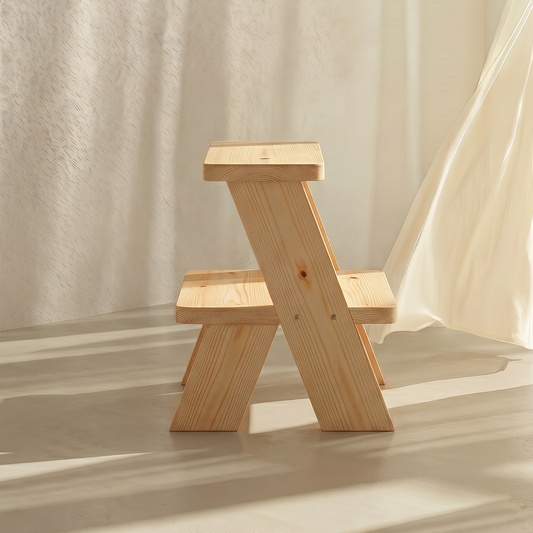

Japandi is not a trend. It is a convergence — two design philosophies from opposite ends of the world arriving at the same conclusion: that a well-made, quietly beautiful space is worth more than a spectacular one.
Japanese design brings wabi-sabi — the acceptance of imperfection and impermanence. Scandinavian design brings hygge — the pursuit of comfort and warmth in everyday living. In the kitchen, where function and feeling must coexist, this combination produces something genuinely useful.
What a Japandi Kitchen Actually Looks Like
The Japandi kitchen is not defined by a colour palette or a cabinet style. It is defined by a set of values that express themselves visually. Restraint. Natural materials. Considered proportion. The absence of anything unnecessary.
In practice, this means flat-front cabinets without ornate detailing. Handles that are minimal or absent entirely. A palette drawn from nature — warm whites, soft greys, the honey tones of natural wood. Countertops in stone or wood that show their material honestly. Open shelving used sparingly, displaying only what is genuinely beautiful or useful.
The Japandi kitchen does not try to impress. It tries to be right.
Why Wood Is Central to the Aesthetic
Both Japanese and Scandinavian design traditions have a deep relationship with wood. In Japan, wood is used with reverence — joinery techniques developed over centuries to connect pieces without metal fasteners, allowing the material to move and breathe. In Scandinavia, wood is the material of warmth — the thing that makes a cold climate feel liveable.
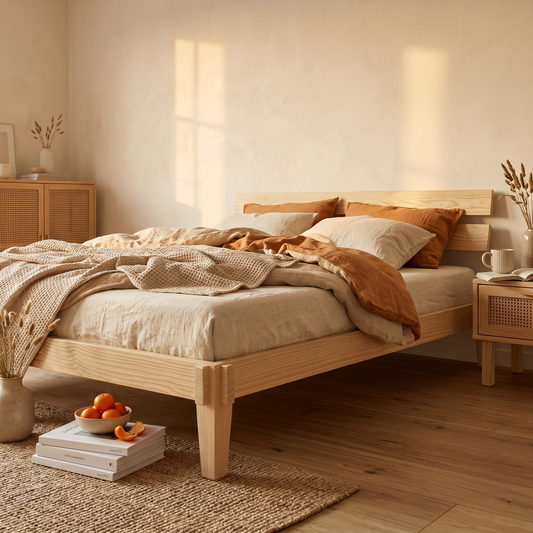
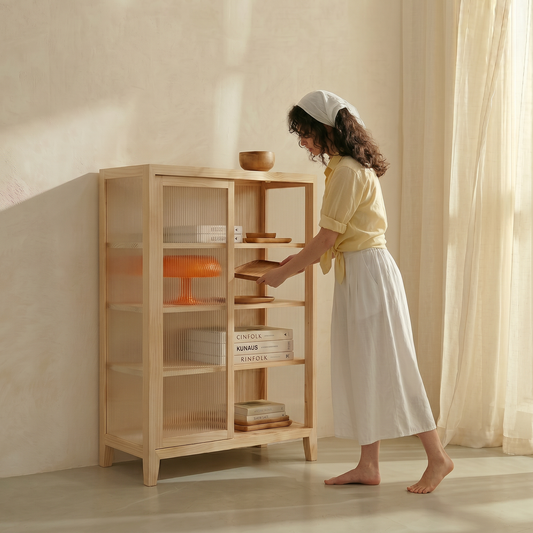
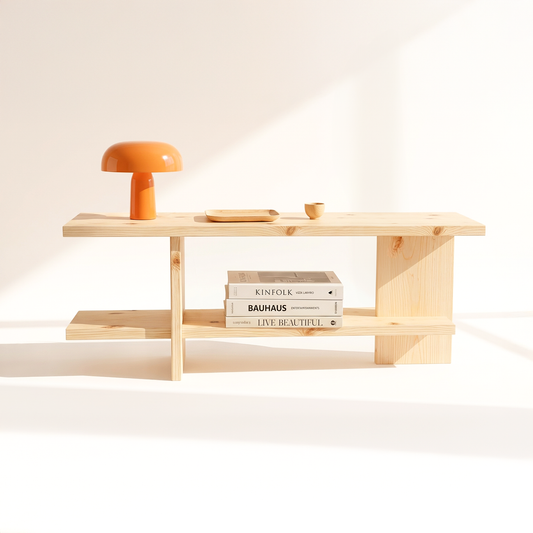
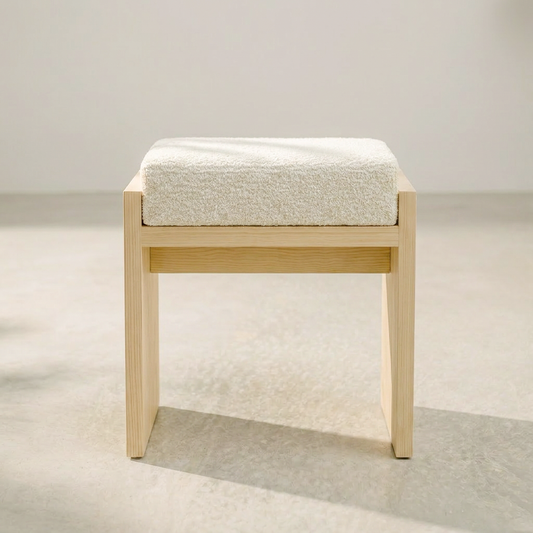
In the Japandi kitchen, wood does not compete with other materials. It anchors them. A run of pale pinewood lower cabinets beneath a stone countertop. A wooden shelf against a white wall. A single wooden element in an otherwise neutral kitchen that gives the eye somewhere to rest.
This is not decoration. It is structure — the material doing the work of making the space feel complete.
The Role of Imperfection
One of the most liberating aspects of Japandi design is its relationship with imperfection. Wabi-sabi does not tolerate the pursuit of flawlessness. A knot in a pine board is not a defect to be hidden. It is evidence of the tree's life. A slight variation in grain from one cabinet door to the next is not inconsistency. It is honesty.
This matters in a kitchen because kitchens are used. They accumulate small marks and minor wear. A design philosophy that embraces the natural character of materials is one that ages gracefully rather than one that begins to look tired the moment it is no longer new.
Proportion and Negative Space
The Japandi kitchen is not a maximalist kitchen. It does not fill every wall with cabinetry or every surface with appliances. It uses negative space deliberately — a clear countertop, an uncluttered shelf, a wall left bare — to give the room room to breathe.
This requires discipline in the design phase. It means deciding what belongs in the kitchen and what does not. It means storage that is genuinely functional rather than storage that is added because space was available. It means a kitchen that is easier to keep clean, easier to work in and easier to be in.
Japandi in the Indian Home
The Japandi aesthetic translates well to the Indian context, perhaps better than many Western design trends do. Indian craft traditions share the Japanese reverence for material and making. The warmth that Scandinavian design seeks is already present in the Indian home. And the move away from ornate, heavily decorated interiors toward something quieter and more considered is a direction many Indian homeowners are actively choosing.
The Japandi kitchen in an Indian home is not an imported aesthetic applied wholesale. It is a conversation between traditions — one that produces something that feels both contemporary and rooted.
That is what good design does. It does not arrive from elsewhere. It belongs where it is.