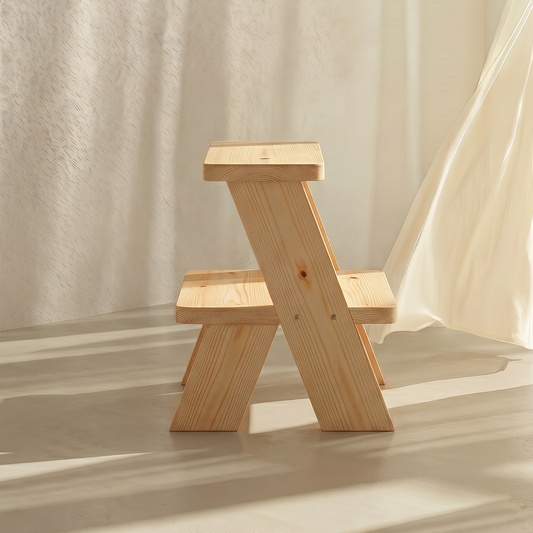

Handmade furniture has a presence that is difficult to imitate. It often feels warmer, more considered, and more alive than mass produced pieces. You can sense the material, the time, and the human attention behind it. But as the word handmade becomes more common in marketing, it also becomes harder to know what is truly made with care and what is simply presented that way.
For buyers, this creates confusion. A product may look beautiful in photographs and still reveal very little about how it was actually made. The real difference often appears in the details. The material, the finish, the construction, and the honesty of the product all tell a story if you know what to look for.
If you want furniture that lasts and carries genuine craftsmanship, it helps to slow down and observe more carefully before buying.
Why handmade furniture is different
Handmade furniture is not only about being made by hand from start to finish. It is about the level of human involvement, skill, and decision making in the process. A handmade piece usually reflects closer attention to material, proportion, joinery, sanding, finishing, and final inspection.
This often leads to furniture that feels more intentional. It may not look machine perfect in the industrial sense, but it often feels more honest and more grounded. Small variations in grain, edge, or finish are not flaws. They are often signs of real material and real making.
In contrast, factory made furniture is usually designed for speed, standardization, and scale. That does not always make it bad, but it does create a different relationship between the maker and the object.
Start with the material
One of the first signs of genuine handmade furniture is the material itself.
Solid wood is often a stronger indicator of craftsmanship than engineered board or heavily processed surfaces. Real wood carries natural grain variation, warmth, and texture. It does not look completely identical from one panel to another because nature does not repeat itself that way.
If the furniture is described as handmade, check whether the brand clearly mentions:
- The type of wood
- Whether it is solid wood or engineered material
- The source or character of the material
- The finish used on the surface
Vague descriptions can be a warning sign. Honest makers usually speak clearly about what they are using.
Look closely at the finish
The finish reveals a lot about the making process. Handmade furniture often has a finish that feels careful rather than overly artificial. The surface may be smooth, but it should still allow the wood to feel like wood.
A few things to notice:
- Does the grain remain visible and natural
- Does the finish feel even without looking plastic
- Are corners, edges, and joints finished with the same care as visible surfaces
- Does the piece feel sanded properly when touched
A well finished handmade piece usually shows patience. It does not rely on heavy coating to hide poor work underneath.
Pay attention to joinery and construction
Good handmade furniture is usually strong because of how it is built, not only because of how it looks.
You may not always see the full joinery in online shopping, but you can still look for signs of thoughtful construction:
- Stable proportions
- Clean alignment
- Strong legs and supports
- Well attached panels and surfaces
- No obvious wobble or weak points
If the brand shares close up images, look at how parts meet. If everything feels too generic or hidden, there may be less craftsmanship than the word handmade suggests.
Notice the small irregularities
This is where many buyers get confused. Genuine handmade furniture may include slight variations. These are often signs of authenticity, not defects.
Because wood is natural and handwork involves human touch, small differences can appear in:
- Grain pattern
- Tone
- Edge softness
- Surface character
What matters is whether these variations feel natural and well resolved. Handmade should not mean careless. The piece should still feel refined, balanced, and well made.
Ask what the brand is willing to show
One of the easiest ways to judge authenticity is to see how transparent the maker is.
A genuine handmade furniture brand is often willing to show:
- Workshop images
- Process videos
- Material details
- Close ups of the product
- Information about finishing and care
If a brand avoids all process visibility and relies only on polished marketing language, it becomes harder to trust the handmade claim.
This is especially important online where buyers cannot touch the piece before purchasing.
Check whether the product feels repairable and lasting
Handmade furniture often carries a long term mindset. It is usually made to be used, maintained, and lived with over time.
Ask yourself:
- Does this look like something that can age well
- Can the surface be maintained
- Does the construction suggest durability
- Is the material likely to hold up with daily use
Furniture that is genuinely crafted often feels like it belongs in a home for years rather than seasons.
Common signs that should make you pause
Not every product marketed as handmade truly reflects strong craftsmanship.
Be cautious if:
- The material description is unclear
- The finish looks overly synthetic
- There are no close up images
- The construction feels generic or weak
- The brand cannot explain how the piece is made
- The price seems unrealistically low for the claim
These do not always prove the product is misleading, but they are worth noticing.
Final thoughts
Identifying genuine handmade furniture is less about finding perfection and more about learning to notice honesty. Real craftsmanship often shows itself through material clarity, careful finishing, thoughtful construction, and a willingness to reveal the making process.
When you buy handmade furniture, you are not only buying an object. You are choosing a slower and more intentional approach to the home. That choice becomes easier when you know how to look beyond the label and pay attention to the details that truly matter.
FAQ
How can I tell if furniture is really handmade?
Look for clear material details, visible grain, careful finishing, strong construction, and transparency about the making process.
Look for clear material details, visible grain, careful finishing, strong construction, and transparency about the making process.
Are small imperfections normal in handmade furniture?
Yes. Small natural variations are often part of genuine handmade work, especially with real wood.
Yes. Small natural variations are often part of genuine handmade work, especially with real wood.
Is solid wood a sign of handmade quality?
It can be a strong sign, especially when paired with clear craftsmanship details and honest product information.
It can be a strong sign, especially when paired with clear craftsmanship details and honest product information.
What should I ask before buying handmade furniture online?
Ask about the wood type, finish, construction, care, and whether the brand can share close up or process images.
Ask about the wood type, finish, construction, care, and whether the brand can share close up or process images.