
The headboard is one of those furniture elements that most people assume is mandatory. A bed without a headboard looks unfinished, the conventional wisdom says. But the conventional wisdom was written by furniture brands that sell headboards. Here is the honest design and functional comparison of beds with headboards versus beds without them.
What a Headboard Actually Does
A headboard serves three functions: it provides a surface to lean against when sitting up in bed, it prevents pillows from falling behind the bed and it provides a visual anchor for the bed in the room. These are real functions. The question is whether they are worth the visual weight, the cost and the proportional implications that a headboard adds to a bedroom.
The Case for a Headboard
If you regularly sit up in bed to read, work or watch something, a headboard provides a comfortable surface to lean against. A wall behind the bed is harder and colder. A pile of pillows against the wall is unstable. A headboard solves this problem cleanly.
A headboard also prevents the pillow-behind-the-bed problem, which is a minor but consistent annoyance in beds without headboards. And a tall headboard in a large room can provide the vertical presence that the bed needs to anchor the space proportionally.
The Case Against a Headboard
A headboard adds visual weight to the bed. In a room with a standard ceiling height, a tall headboard makes the ceiling feel lower by raising the visual centre of gravity of the room's largest piece of furniture. A low-profile bed without a headboard does the opposite — it lowers the visual centre of gravity and makes the ceiling feel higher.
A headboard also adds cost and complexity. A bed frame with a headboard is more expensive than the same frame without one. It is harder to move and reassemble. And in a Japandi bedroom or any room built around visual calm and clean lines, a headboard — particularly a tall or upholstered one — can be the most visually dominant element in the room, which works against the calm the room is trying to achieve.
The pillow problem, which is the most practical argument for a headboard, can be solved with a simple pillow stop — a narrow rail at the head of the bed that prevents pillows from falling behind it without the visual weight of a full headboard.
The Japandi Verdict
In a Japandi bedroom, the headboard is almost always absent or minimal. The Japanese sleeping tradition — futon on tatami — has no headboard. The Scandinavian tradition favours clean lines and minimal visual weight. The synthesis of these two traditions produces a bed that is low, clean-lined and without the visual interruption of a tall headboard.
The wall behind the bed in a Japandi bedroom is not bare. It is the visual anchor. A piece of art, a textile hanging or simply the texture of the wall itself provides the visual interest that a headboard would otherwise supply, without the visual weight.
The Poka Bed: Clean Lines, No Compromise
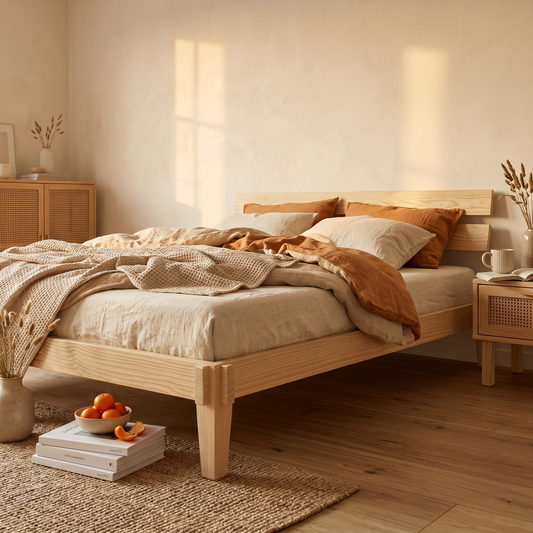
The Poka Bed by A Good Life is designed with a low, clean-lined profile that works with or without a headboard. The solid pinewood frame has a low silhouette that lowers the visual centre of gravity of the room and makes the ceiling feel higher. The screwless joinery means no visible hardware to interrupt the clean lines of the frame.
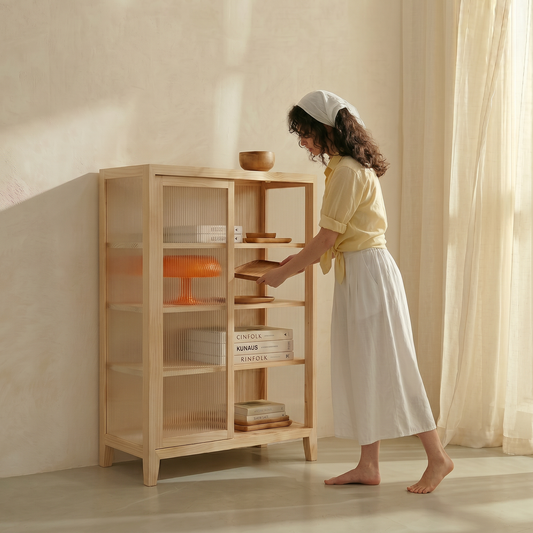
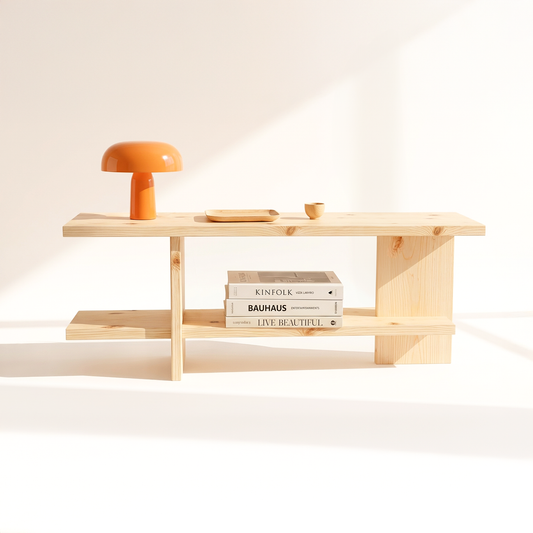
In a Japandi bedroom, the Poka Bed without a headboard is the proportionally correct choice. The wall behind the bed provides the visual anchor. The Akari Pinewood Mirror on an adjacent wall provides the vertical presence. The Nagomi Console in the entryway carries the material language through the home. The headboard is not missed. The room is better without it.
The Honest Answer
A headboard is worth having if you regularly sit up in bed and want a comfortable surface to lean against. It is not worth having if you are primarily concerned with room proportions, visual calm and the Japandi aesthetic. The conventional wisdom that a bed without a headboard looks unfinished is the conventional wisdom of people who sell headboards. A well-designed low-profile bed without a headboard looks resolved, not unfinished. The difference is in the design of the frame and the intention of the room around it.