Every few years, a study ranks the world's most liveable cities. Copenhagen, Vienna, Helsinki, Zurich. The criteria include safety, infrastructure and healthcare. But the people who live in these cities will tell you that the quality of daily life is not produced by infrastructure alone. It is produced by a relationship with the home that is fundamentally different from the one most urban Indians have. Here is what that relationship looks like and how to build it in an Indian bedroom.
The Nordic Relationship With Home
In Scandinavian countries, the home is not a place you return to at the end of the day. It is the centre of daily life. The concept of hygge — the Danish and Norwegian word for a quality of cosiness, warmth and convivial comfort — is not a design aesthetic. It is a philosophy about the role of the home in a good life. The home is where you recover, where you connect and where you invest the care and attention that makes daily life worth living.
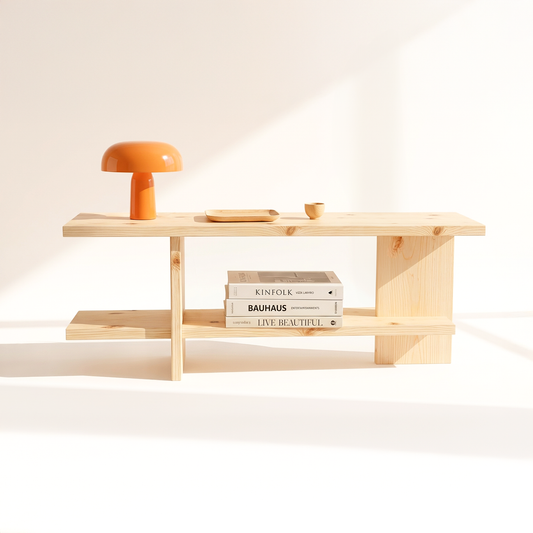
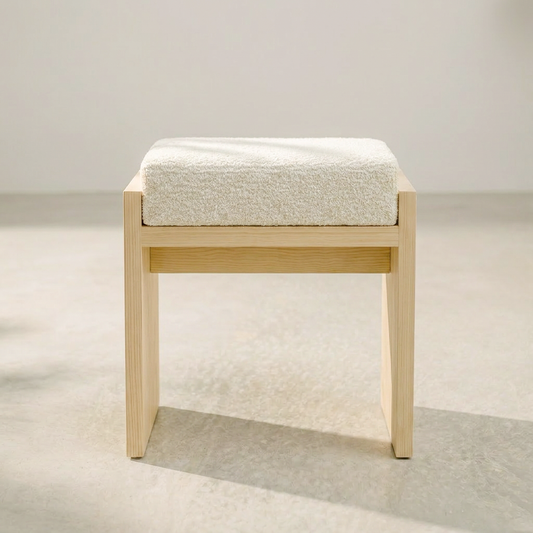
This philosophy produces homes that are furnished differently from the Indian urban default. Not more expensively. More intentionally. Natural materials. Warm light. Objects chosen for quality and longevity rather than price and availability. A bedroom that is genuinely designed for rest rather than assembled from whatever was available at the time.
The Japanese Relationship With Space
Japanese domestic design operates on a different but complementary principle. Where hygge is about warmth and connection, wabi-sabi is about finding beauty in imperfection, impermanence and incompleteness. A wabi-sabi home is not perfect. It is honest. The materials show their nature. The objects show their age. The space is not filled but considered.
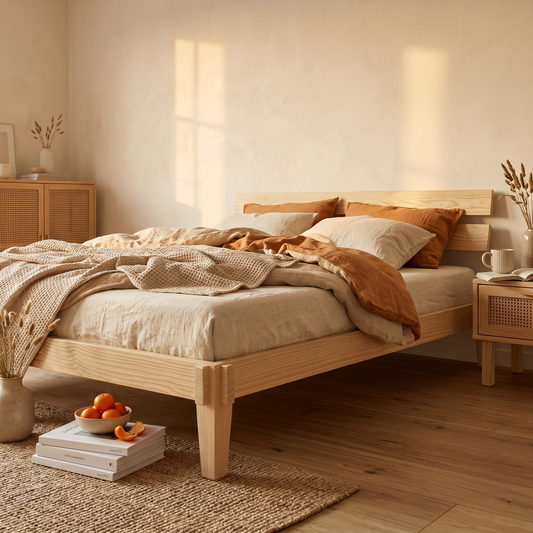
A Japandi bedroom — the synthesis of Japanese and Scandinavian design philosophy — brings both principles together. It is warm and honest. It is considered and natural. It is the kind of room that feels like it has been lived in rather than staged, chosen rather than accumulated. In India, where both warmth and craft are deeply embedded in the cultural tradition, this aesthetic is not foreign. It is a return to something that was always there.
What the Indian Home Can Reclaim
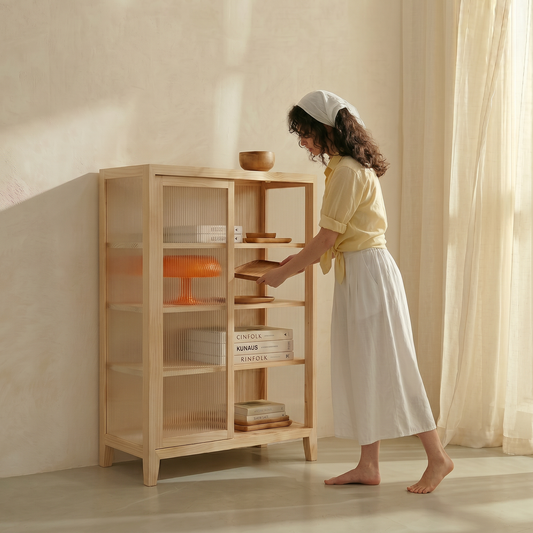
Indian domestic design has its own tradition of natural materials, honest craft and considered space. The carved wooden furniture of Rajasthan. The cane and bamboo of the Northeast. The terracotta and stone of the South. These are not historical curiosities. They are the material expression of a culture that understood, long before Scandinavian design became fashionable, that natural materials make better homes than synthetic ones.
The urban Indian home has largely abandoned this tradition in favour of the engineered wood and high-gloss lacquer that global furniture brands made available and affordable. The result is homes that are functional but not rooted — homes that could be anywhere rather than homes that are specifically, materially Indian.
Reclaiming the Indian tradition of natural materials does not require traditional furniture. It requires the same principle applied to contemporary forms. A solid pinewood bed with a low Japandi profile is not a traditional Indian object. But it is made from a natural material, finished with a breathable oil and constructed with joinery that respects the material. It belongs to the same tradition of honest craft even in a contemporary form.
The Bedroom as the Starting Point
The bedroom is the right place to start building a home that reflects a genuine relationship with daily life. It is the most private room, the most personal and the one where the quality of the environment has the most direct effect on the quality of the experience. A bedroom that is genuinely designed for rest, built from natural materials and furnished with objects that last is the foundation of a home that feels like a good life rather than a functional arrangement.
The Poka Bed by A Good Life is the solid wooden bed that anchors this bedroom. Solid pinewood, screwless joinery, a low Japandi silhouette and a matte finish that ages rather than degrades. It is the bed that belongs to the Indian tradition of honest craft and the contemporary tradition of considered design simultaneously. It is the bed you buy when you are serious about the quality of the room you sleep in.
The Akari Pinewood Mirror is the full length floor mirror that completes it. Solid pinewood, leaning format, matte finish. It reflects the room, amplifies the light and marks the daily transition from the private self to the public one. In a bedroom built around natural materials and honest craft, it is the object that makes the room feel finished rather than furnished.
The Good Life Is Not Elsewhere
The cities that rank highest for liveability are not better because of their infrastructure alone. They are better because the people who live in them have a different relationship with their homes. They invest in the quality of their daily domestic environment. They choose natural materials over synthetic ones. They buy fewer, better things and live with them for longer. They understand that the good life is not elsewhere — it is in the room you wake up in every morning.
The Indian home has everything it needs to produce this quality of daily life. The craft tradition is there. The natural materials are there. The cultural preference for warmth and honesty is there. What is needed is the intention to apply these things to the bedroom you actually live in, rather than the one you are waiting to have later.
The good life at home begins with the bedroom. Build it well. Live in it fully. Let it be enough.