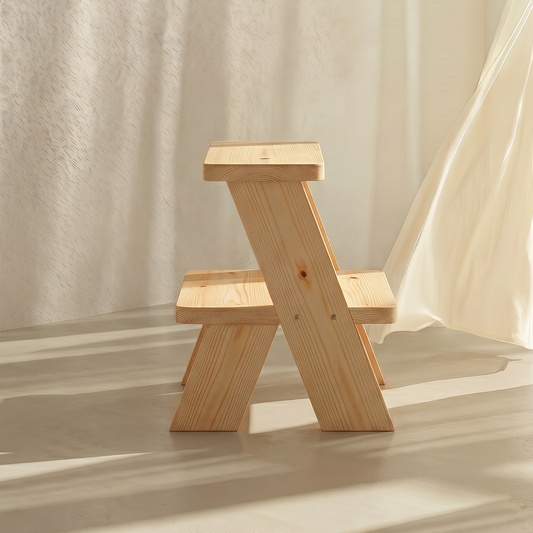

Every furniture brand has a design philosophy, whether they articulate it or not. The philosophy is expressed in the materials chosen, the construction methods used, the finishes applied and the price points targeted. At A Good Life, the philosophy is explicit: we build furniture that gets better with age. Here is what that means in practice and why it matters for the person who buys it.
The Problem We Are Solving
The Indian furniture market is dominated by products designed for a five-year replacement cycle. Engineered wood, laminate finishes, bolt-together joinery and price points that make replacement feel easier than repair. This is not a conspiracy. It is a rational response to a market that has been trained to prioritise upfront cost over lifetime value. But it produces homes that are full of furniture that is always slightly past its best — furniture that looked good when new and has been declining ever since.
We are solving a different problem: how to make furniture that is worth owning for twenty years in Indian conditions. The answer requires solid wood, traditional joinery, breathable finishes and a design language that ages honestly rather than dating quickly.
The Material Choice: Solid Pinewood
We chose solid pinewood as our primary material for specific reasons. It is light enough to be manageable in urban Indian apartments where furniture is moved regularly. It is warm enough in colour to work with almost any palette. It handles Indian humidity better than most people expect when properly kiln-dried and finished with a breathable oil. And it ages by developing a patina rather than by degrading — the honey tone of new pinewood becomes a richer, warmer amber over years of use.
Pinewood is not the hardest wood available. It is not the most moisture-resistant. But it is the most honest — it shows its grain, its knots and its age without apology. In a design philosophy built around honesty, this is the right material.
The Construction Choice: Screwless Joinery
Screwless joinery is the most demanding construction method in furniture making. It requires precision that bolt-together construction does not. It requires wood that is stable enough to hold the joint geometry over time. And it requires a design that accommodates the joinery method rather than being designed for flat-pack assembly.
We chose screwless joinery because it is the only joinery method that produces furniture that gets tighter with use rather than looser. The joints are held by the geometry of the wood rather than by mechanical fasteners, which means there is nothing to compress and nothing to loosen. A piece of furniture with screwless joinery does not have a built-in failure mechanism. It has a built-in improvement mechanism.
The Finish Choice: Matte Oil
A matte oil finish penetrates the wood rather than sitting on top of it. It allows the wood to breathe, which means the wood manages seasonal humidity changes without internal stress. It develops a patina over time rather than yellowing or cracking. And it is repairable — a scratch or dent can be addressed with light sanding and a fresh application of oil, returning the surface to its original condition.
We chose matte oil because it is the finish that is most honest about the material beneath it. The grain is visible. The texture is tactile. The colour is the natural colour of the wood. This is the finish that gets better with age.
The Design Language: Japandi Simplicity
Our design language is Japandi — the synthesis of Japanese wabi-sabi and Scandinavian hygge. Low profiles that ground the room. Clean lines without visible hardware. Natural materials honestly expressed. A palette drawn from nature. This is not a trend direction. It is a design philosophy that produces rooms that feel genuinely calm and that do not date because they are not built around trend.
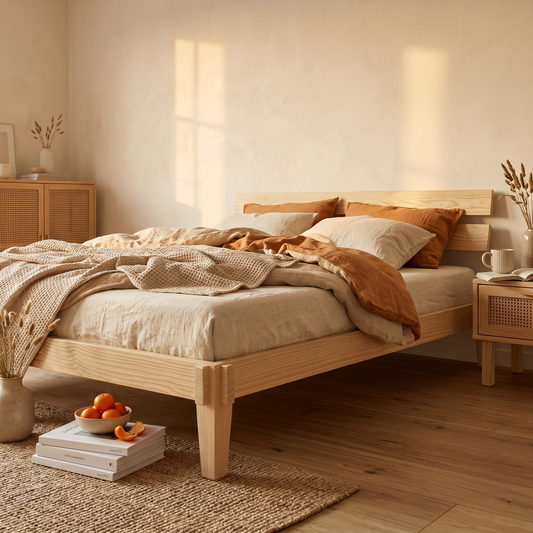
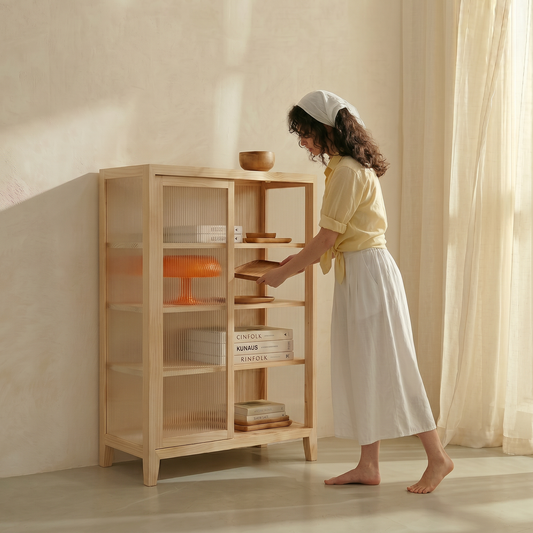
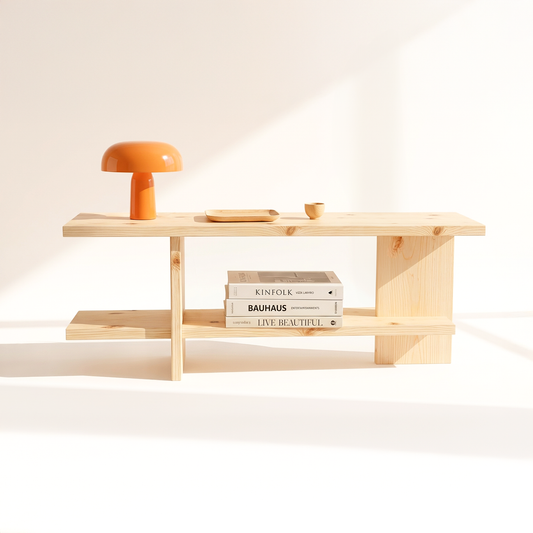
The Poka Bed, the Akari Mirror, the Nagomi Console and the Kanso Fluted Cabinet are all expressions of this design language. Each piece is made from solid pinewood with screwless joinery and a matte oil finish. Each piece is designed to get better with age. Together, they create a home that improves over time rather than declining with it.
Why It Matters for You
The furniture you buy today will be in your home for years. If it is designed for a five-year replacement cycle, it will look tired in three years and need replacing in five. If it is designed to get better with age, it will look more characterful in five years and be worth keeping for twenty. The difference is not just aesthetic. It is financial, environmental and experiential.
A home furnished with furniture that gets better with age is a home that improves over time. The furniture develops patina. The materials deepen. The objects become more characterful. The home becomes more itself. This is the good life at home. This is what we build.