
A novelty-shaped piece, cat ears on a mirror frame, invites more skepticism about price than a plain rectangular one, the assumption being that the shape is a gimmick charging extra for cuteness alone.
What Novelty Pricing Usually Looks Like
True novelty pricing shows up as identical construction to a basic product, plastic frame, standard glass, just molded into a fun shape, with the entire price premium going toward the shape alone rather than any material or craft difference.
What's Actually Different Here
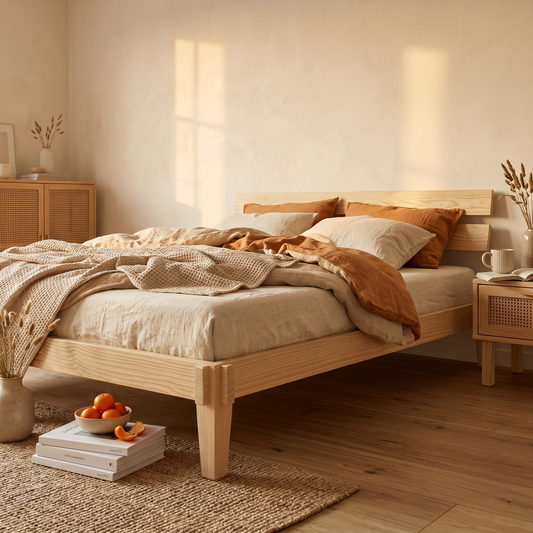
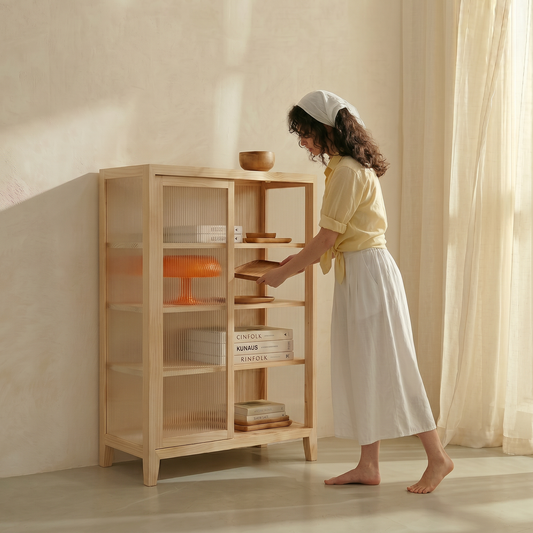
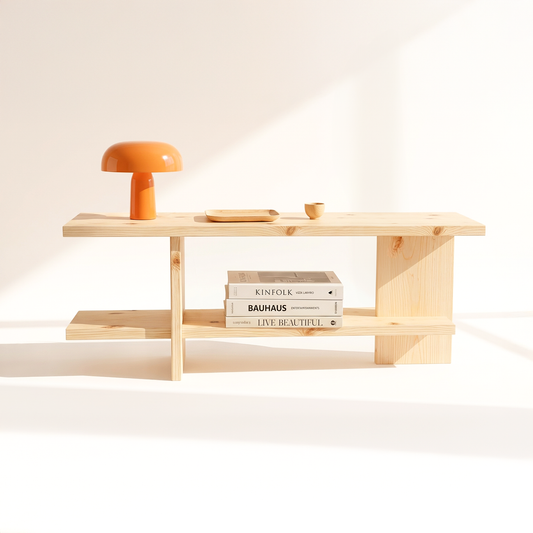
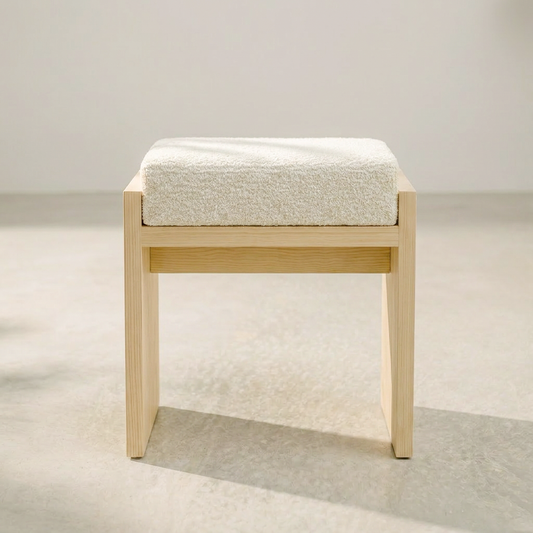
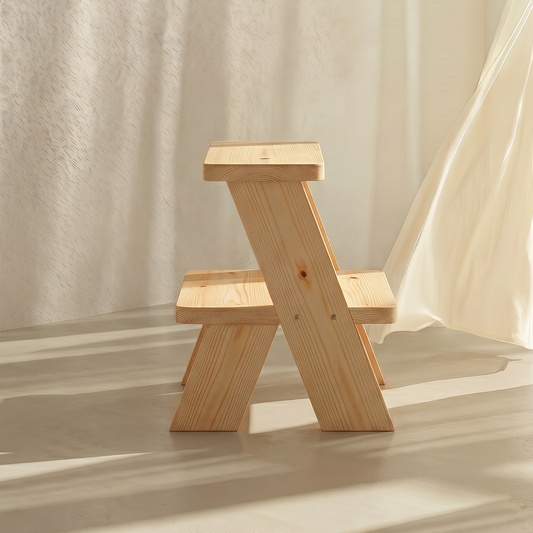
The Hana Cat Mirror uses the same solid pinewood construction as the brand's straightforward furniture pieces, the ear shape is cut from solid timber, not a cheaper base material dressed up with a playful outline.
How to Tell the Difference Yourself
Check whether a novelty-shaped piece uses the same material quality as the maker's plain products, if a brand's standard items are genuinely solid wood and the novelty piece matches that construction, the shape is additional craft, not a substitute for it.
The Honest Verdict
A playful shape isn't automatically a markup on cuteness, it depends entirely on whether the underlying construction matches what you'd expect from the maker's standard pieces. Check the material, not just the silhouette, before deciding.