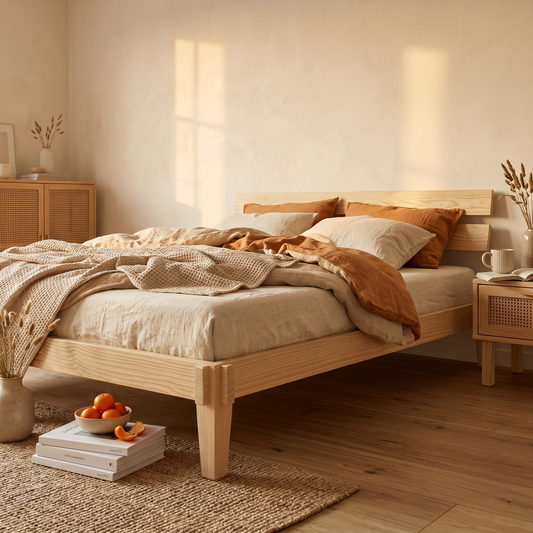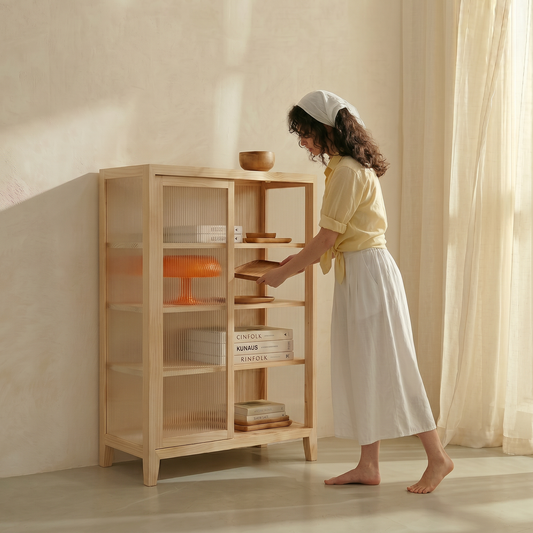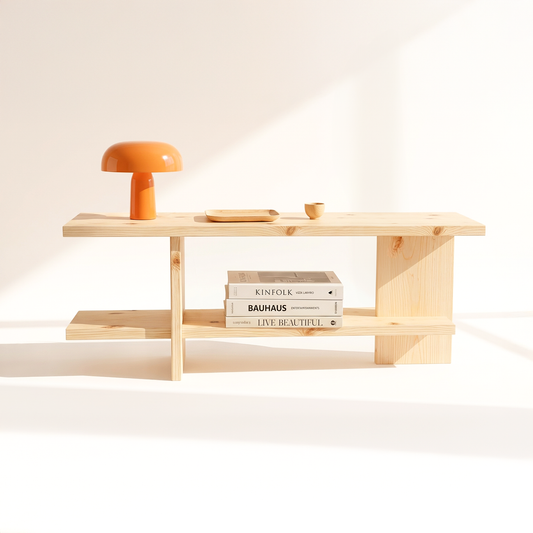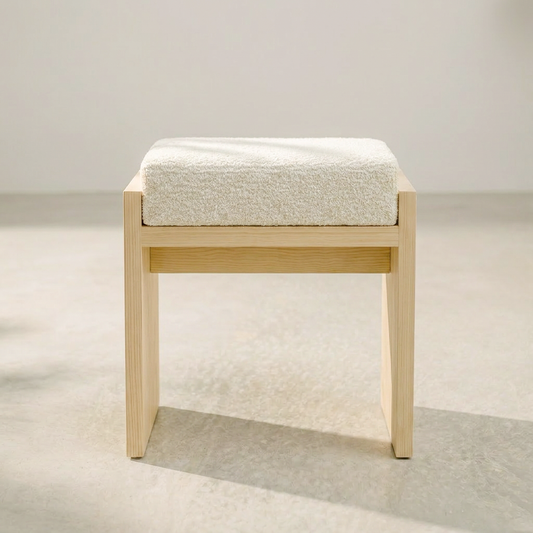

A beautifully designed space is more than just a collection of furniture and decor — it's a harmonious blend of textures, colours and materials that create depth and interest. The secret to making a space feel rich and inviting lies in the art of layering. By thoughtfully combining elements, interior designers craft environments that are visually dynamic, comfortable and full of personality.
1. What Is Layering in Interior Design?
Layering is the technique of adding depth and complexity to a space by combining different design elements — textures (soft vs. hard), colours and patterns, furniture and decor of varied shapes and heights and lighting (ambient, task and accent). When done well, layering transforms a flat, uninspiring space into a warm, inviting home.
2. Textures: The Key to a Cozy and Dynamic Space
Mixing different textures prevents a room from looking monotonous. Combine soft fabrics (velvet, linen or wool) with sleek materials (glass, metal or stone). Layer rough, natural elements (wood, woven baskets) with smooth, glossy surfaces (marble, polished finishes). Add layered textiles (throws, cushions, area rugs) to add warmth and contrast.
3. Color and Pattern: Creating Visual Interest
Stick to a cohesive colour palette to maintain harmony. Mix patterns carefully to avoid overwhelming the eye. Use accent walls, decorative pillows or rugs to introduce subtle yet impactful patterns.
4. Layering Furniture and Decor for Depth
Use a mix of tall and low furniture to avoid a one-dimensional look. Arrange objects in odd numbers for a balanced composition. Combine different materials (wood, metal, glass) for a curated aesthetic.
5. Lighting: The Ultimate Layering Element
Ambient lighting sets the overall mood. Task lighting provides functional illumination. Accent lighting highlights architectural features and decor. Using a combination of these ensures a well-lit and inviting space.
6. Layering with Accessories and Greenery
Mix different sizes and shapes of decor pieces on shelves and tables. Incorporate plants for freshness and texture. Layer rugs over hardwood floors to add warmth and define different zones.
7. The Balance Between Layering and Clutter
Layering should never feel chaotic. Avoid too many competing elements — let some pieces be focal points. Leave negative space to maintain visual breathing room. Edit and rearrange periodically to refresh the look.
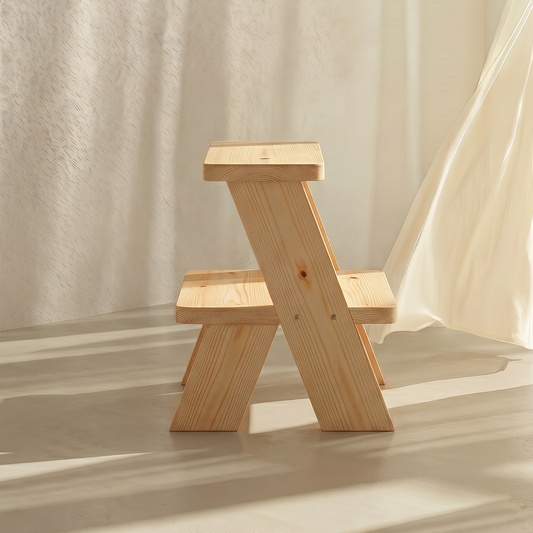
Handcrafted Japandi pinewood furniture — the perfect layering anchor.
Natural Canadian pinewood brings warmth, grain and texture to any layered interior. From the Poka Bed to the Akari Mirror — each piece adds a considered layer to your space. Shop all pinewood furniture →