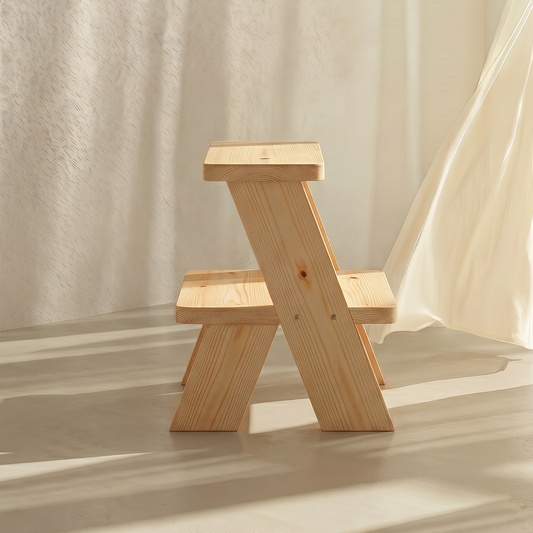

The conversation about furniture quality usually focuses on materials. Solid wood versus engineered wood. Pinewood versus sheesham. Natural finish versus synthetic. These are important distinctions. But they are incomplete. The material is only half of the quality equation. The other half is craft — how the material is worked, joined and finished. A piece of furniture made from excellent material with poor craft is not excellent furniture. A piece made from good material with excellent craft is.
What Craft Means in Furniture
Craft in furniture is the skill and intention applied to the transformation of raw material into a finished object. It includes the precision of the joinery — how accurately the joints are cut and how well they fit. It includes the quality of the surface preparation — how smoothly the wood is sanded before finishing. It includes the application of the finish — how evenly the oil or wax is applied and how well it penetrates the wood. And it includes the overall consistency of the piece — whether the dimensions are accurate, the surfaces are flat and the joints are square.
These are not details that appear in product listings. They are qualities that are felt when you touch the furniture, seen when you look at it closely and experienced when you use it over time. A piece with excellent craft feels different from a piece with poor craft even when both are made from the same material.
The Joinery as the Highest Expression of Craft
Joinery is the most demanding craft element in furniture making. A mortise-and-tenon joint requires the mortise to be cut to exactly the right dimensions and the tenon to be cut to match. If either is slightly off, the joint will be loose or will not close. There is no adjustment available after the fact. The joint is either right or it is not.
This precision is why screwless joinery is the highest expression of furniture craft. It requires more skill than bolt-together construction because there is no mechanical fastener to compensate for imprecision. The joint must be right on its own terms. When it is, the result is a piece of furniture that is structurally superior to anything that relies on mechanical fasteners — joints that get tighter with use, that handle the seasonal movement of wood without loosening and that last significantly longer than bolt-together alternatives.
The Finish as the Expression of Care
The finish on a piece of furniture is the expression of the maker's care for the material. A matte oil finish applied correctly penetrates the wood evenly, enhances the grain and produces a surface that is warm, tactile and honest. Applied incorrectly — too thickly, unevenly or without adequate surface preparation — it produces a surface that is blotchy, rough or dull.
The quality of a matte oil finish is visible in the consistency of the surface sheen, the evenness of the colour and the way the grain reads through the finish. A well-finished piece of solid pinewood has a surface that glows rather than shines, that is consistent from one end to the other and that shows the grain clearly without obscuring it. This is the expression of craft in finishing.
The Poka Bed as Craft
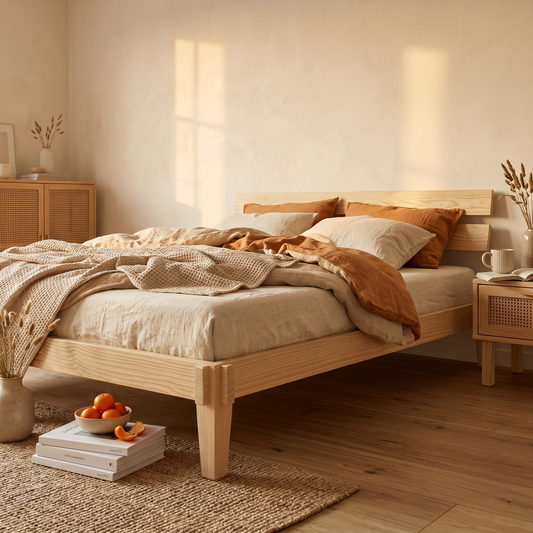
The Poka Bed by A Good Life is the expression of craft in a solid wooden bed. The screwless joinery requires the precision that only genuine craft can produce. The matte oil finish requires the care and consistency that distinguishes a well-made piece from a merely adequate one. The solid pinewood is the material. The craft is what makes it furniture worth owning.
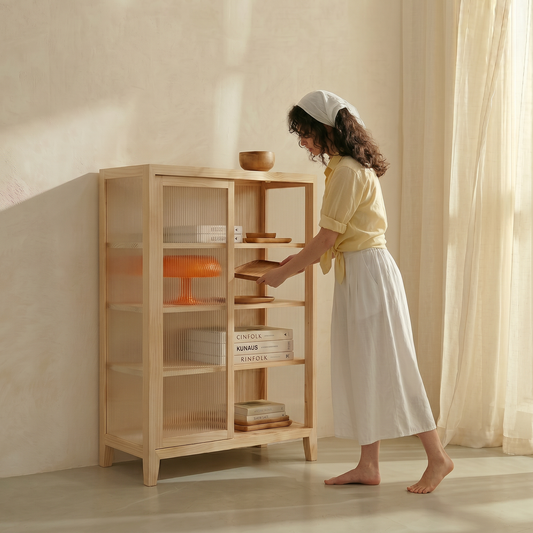
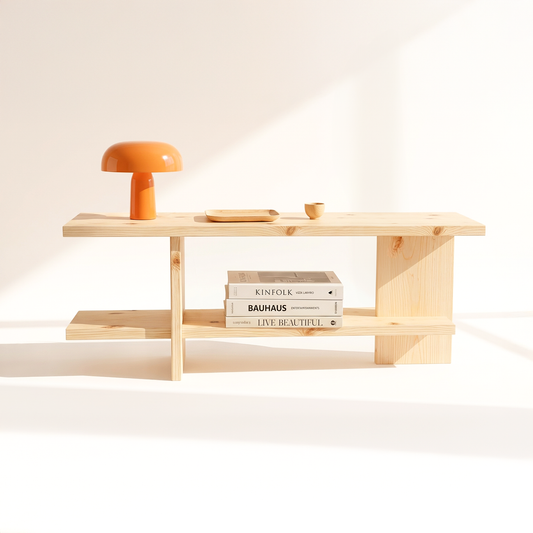
The same craft standard applies to the Akari Pinewood Mirror, the Nagomi Console and the Kanso Fluted Cabinet. Each piece is made from solid pinewood with a matte finish and joinery that reflects the same standard of craft. In a home where every piece is made to this standard, the quality of the space is felt rather than seen. This is what craft does to a home. It makes it feel right.
The Question of Craft
When you are evaluating furniture, ask not just what it is made from but how it is made. The material is the starting point. The craft is what determines whether the material becomes furniture worth owning. A piece made from excellent material with poor craft is a disappointment. A piece made from good material with excellent craft is a pleasure to live with. The craft argument is not about price. It is about intention. Choose the piece where the intention is evident.