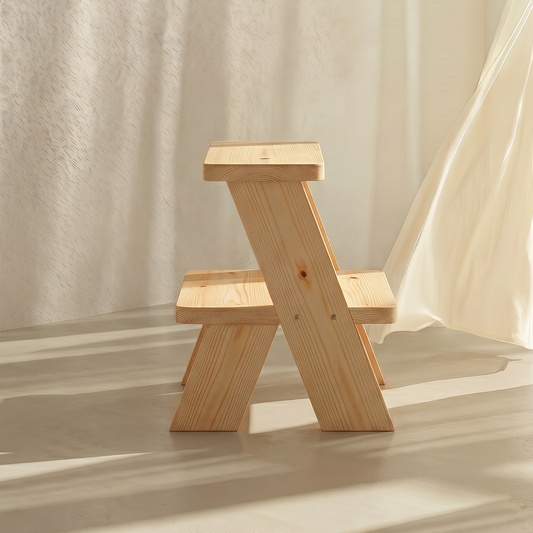

A bench's price makes more sense once you stop looking at the number on its own and start dividing it by how long you'll actually keep the piece.
The Cost-Per-Year Reframe
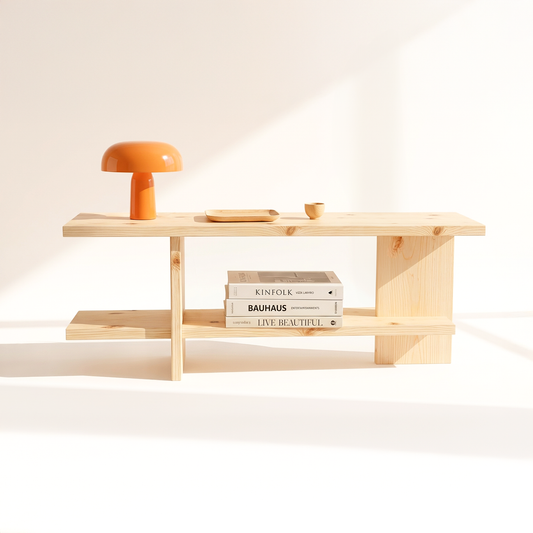
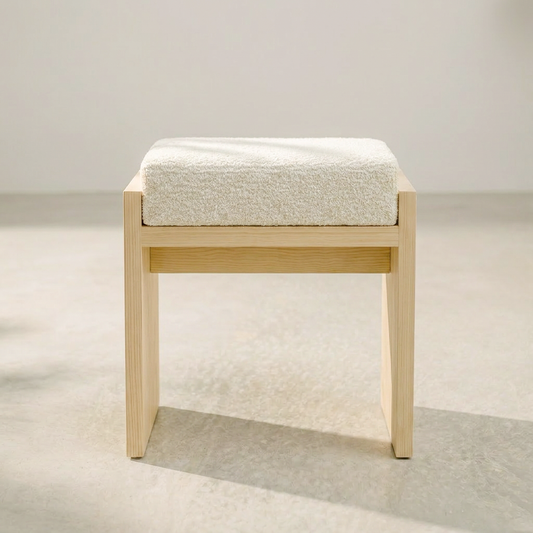
A cheaply built bench with screwed joints typically needs replacing within three to five years as joints loosen with use. A bench like the Kosho Bench, built with interlocking Japanese joinery and no metal hardware to work loose, is designed to last a decade or more with basic care, sanding and re-oiling occasionally rather than replacement.
What Changes the Math
Divide any bench's price by realistic years of use, not the sticker price alone. A bench that costs meaningfully more but lasts three times as long isn't the expensive option, it's often the cheaper one once you account for the replacement cycle a budget bench requires.
Where This Logic Breaks Down
This argument only holds if the construction actually delivers the longevity, a poorly made "premium" bench with a high price and weak joinery is worse value than an honest budget option. Check joinery type, not just price, before trusting the cost-per-year math.
The Honest Verdict
A bench's real cost is what you pay divided by years of genuine use, not the number on the price tag alone. Verify the joinery before assuming a higher price automatically means better long-term value.