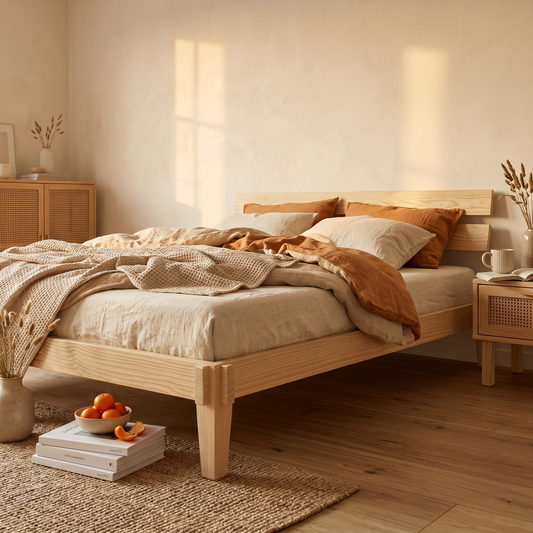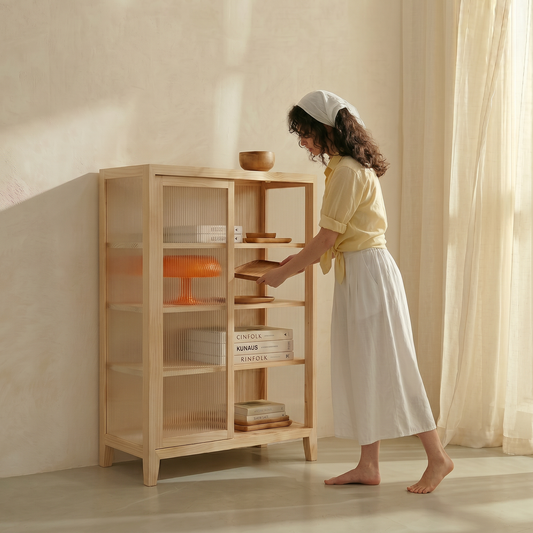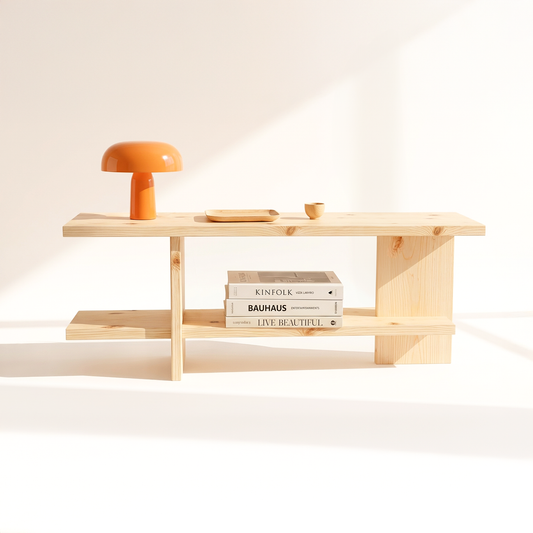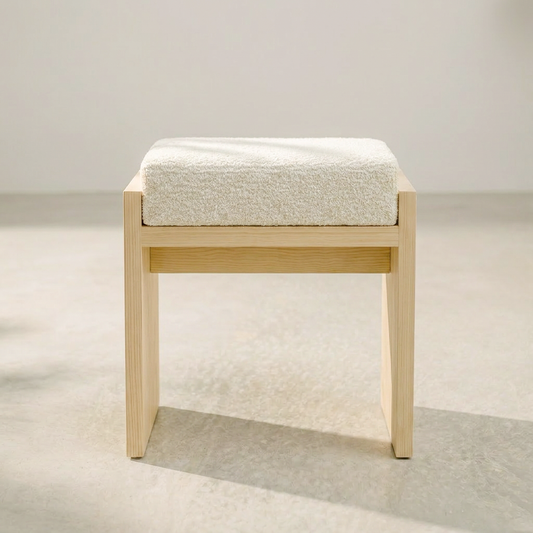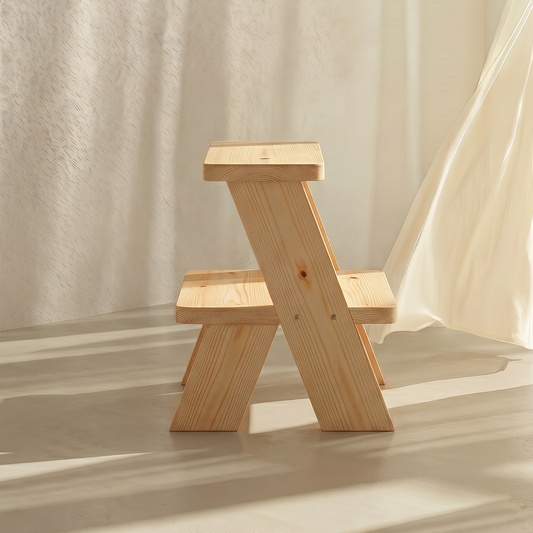

Beauty in the home is often imagined as something separate from use. People think of decorative objects, styled corners, and carefully arranged surfaces. But some of the deepest beauty in a home comes from things that are used every day. A bench near the door, a console that holds keys, a shelf that supports books, a stool that moves where it is needed, a tissue holder on the dining table. These objects may seem ordinary, but they shape the home in lasting ways.
A useful object carries a quiet dignity. It earns its place through service, but it also contributes to atmosphere. When chosen with care, it can make a room feel more grounded, more honest, and more complete.
This is why well designed homes often feel beautiful without looking heavily decorated. Their beauty comes from purpose as much as appearance.
Why usefulness creates a different kind of beauty
Objects that are used regularly become part of the rhythm of the home. They are touched, moved, relied on, and noticed in passing. Over time, they begin to hold memory and familiarity. This creates a different kind of beauty than something chosen only to be looked at.
Useful objects often feel beautiful because:
- They support daily life
- They reduce friction
- They create order
- They bring comfort
- They become part of routine
There is something deeply satisfying about an object that does its job well and still feels warm and considered.
In thoughtful homes, purpose matters
A well designed home is not always the one with the most decor. Often, it is the one where each object feels intentional. Purpose becomes part of the visual language of the room.
This is especially true in calm interiors where there is less visual noise. In such spaces, every object has more presence. A useful object that is also well made can carry both function and beauty without needing anything extra around it.
This is one reason functional decor matters so much. It allows the home to feel complete through things that already belong there.
Natural materials make useful objects feel warmer
Material plays a large role in how useful objects are experienced. A practical item made from natural wood, for example, often feels more inviting than one made only for efficiency. Grain, texture, and tone bring softness to the room and make the object feel more connected to the home.
Wooden objects are especially powerful in this way. They can support daily use while also adding warmth and visual calm. A simple wooden piece often does more for a room than several decorative accessories.
If you want to explore furniture built around this balance of utility and quiet beauty, the furniture collection offers pieces that fit naturally into this way of living.
A piece like the Quiet Console Table shows how a useful object can also anchor a room with warmth and presence.
Useful objects reduce the need for excess decor
When the practical things in a home are already beautiful, the room needs less added styling. A well chosen bench, cabinet, shelf, or holder can do the work of both function and atmosphere.
This creates a home that feels lighter and more believable. Instead of decorating around clutter, you choose objects that solve needs while also supporting the mood of the space.
That is often what makes a home feel truly designed. Not the number of objects, but the quality of their presence.
Final thoughts
The beauty of useful objects lies in their honesty. They do not need to pretend to be important. They become important through use, through presence, and through the quiet ways they support everyday life.
In a well designed home, these are often the objects that matter most. They bring warmth, order, and a sense of lived in beauty that decoration alone cannot create. And over time, they become part of what makes the home feel deeply your own.
FAQ
What are useful objects in home design?
Useful objects are everyday items like benches, shelves, consoles, stools, and holders that support daily life while also adding beauty to the home.
Useful objects are everyday items like benches, shelves, consoles, stools, and holders that support daily life while also adding beauty to the home.
Why do useful objects feel beautiful in a home?
Because they combine purpose, familiarity, and thoughtful design, which creates a more grounded and lasting kind of beauty.
Because they combine purpose, familiarity, and thoughtful design, which creates a more grounded and lasting kind of beauty.
Can functional objects replace decorative ones?
Often yes. When chosen well, functional objects can bring enough warmth and character that less extra decor is needed.
Often yes. When chosen well, functional objects can bring enough warmth and character that less extra decor is needed.
What materials make useful objects feel more beautiful?
Natural materials like wood often work especially well because they add warmth, texture, and timeless appeal.
Natural materials like wood often work especially well because they add warmth, texture, and timeless appeal.