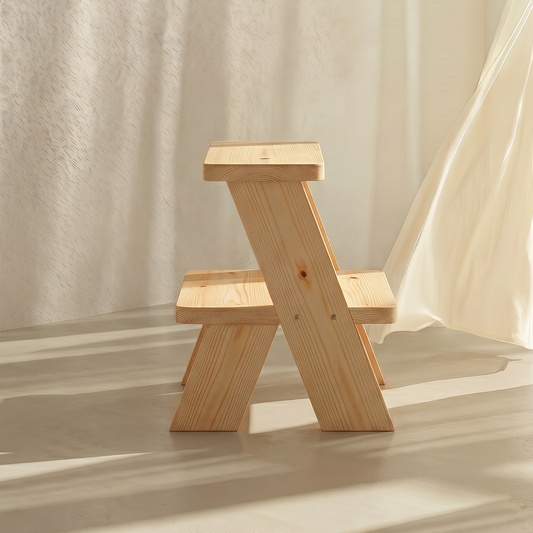

In a world obsessed with perfection — polished floors, symmetrical cushions, flawless paint — there's something deeply calming about embracing imperfection. That's the essence of Wabi-Sabi, a Japanese design philosophy rooted in simplicity, transience and authenticity. Surprisingly, it aligns beautifully with Indian living, especially in homes that celebrate craft, sustainability and soulful aesthetics.
What is Wabi-Sabi?
Wabi-Sabi celebrates the beauty of things that are imperfect, impermanent and incomplete. It values natural materials, earthy tones and asymmetrical forms — things that show signs of life, time and use. It's about letting go of "perfect" and welcoming "real."
This philosophy blends seamlessly with Indian values of jugaad, resourcefulness and deep reverence for natural materials.
How to Bring Wabi-Sabi into Your Indian Home
1. Use Reclaimed and Raw Materials
Think unfinished reclaimed wood, unpolished stone and naturally worn metal. A hand-carved wooden bench with visible grain or a clay pot with uneven glazing becomes a feature, not a flaw.
2. Embrace Asymmetry and Inconsistency
Skip the matched set. Pair handcrafted cushions of slightly varying shapes or display handmade ceramics with irregular edges. These variations add warmth and authenticity.
3. Showcase the Handmade
Celebrate artisan-made items that bear the mark of the maker — tool marks in carved furniture, slight color variations in hand-loomed fabrics or small imperfections in block prints.
4. Let Things Age Gracefully
Don't fear fading, scratches or patina. Over time, they add depth. A brass lamp that darkens, a wooden tray that shows wear — these are signs of life, not decay.
5. Choose a Muted, Earthy Palette
Stick to soft whites, browns, greys, olive greens and ochre. These colours reflect the earth and calm the mind, helping create peaceful corners in busy urban homes.
6. Create Space, Not Clutter
Wabi-Sabi is minimalist, but not sterile. Curate thoughtfully. Display one handmade terracotta vase on a shelf rather than several items with no connection.
7. Accept Impermanence
Wabi-Sabi encourages seasonal living. Decorate with dried flowers, clay lamps or fabric that fades naturally over time. Honour cycles, not permanence.
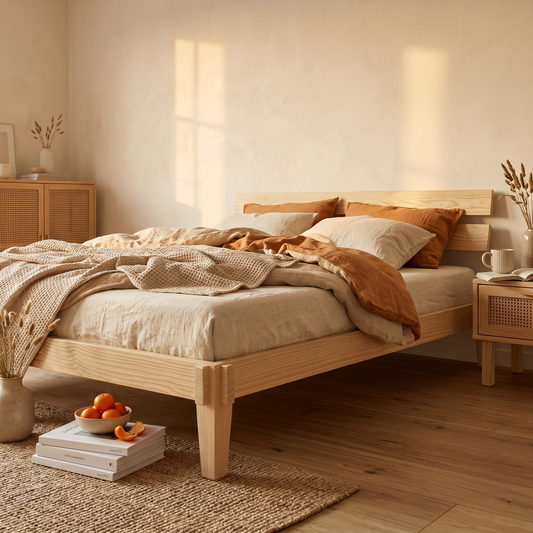
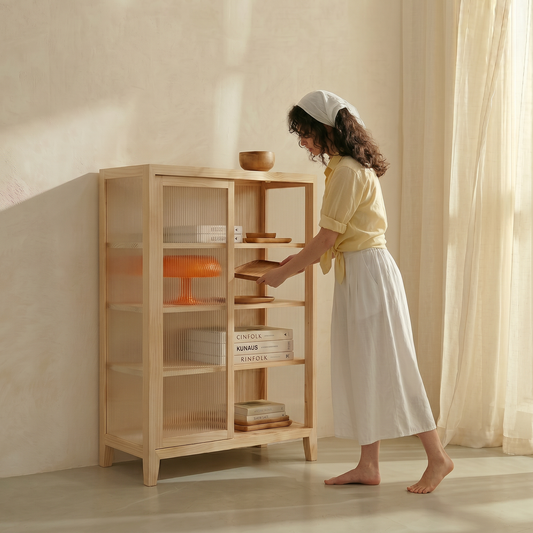
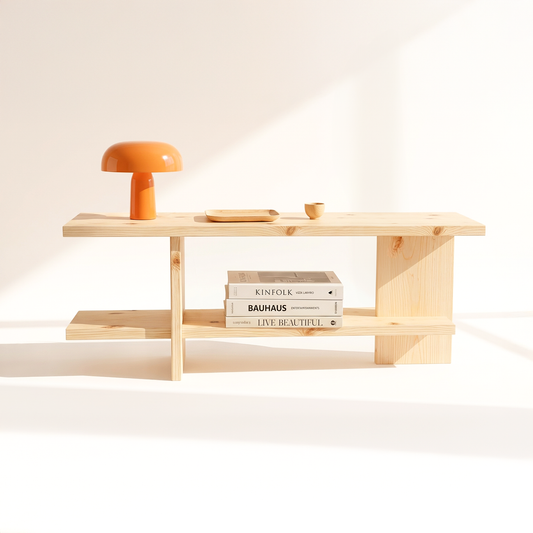
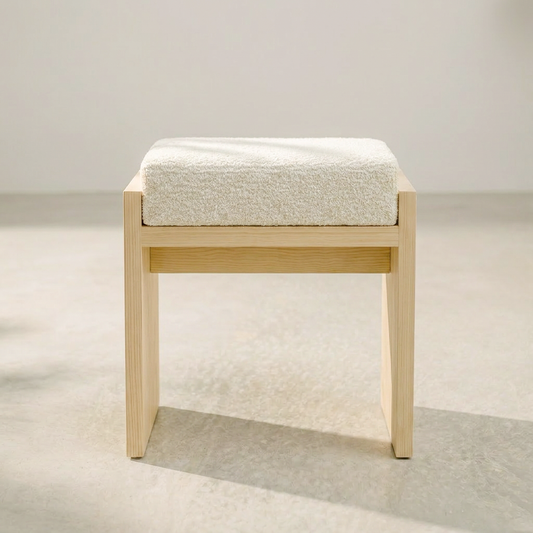
Handcrafted pinewood furniture that embraces natural imperfection.
Every A Good Life piece is crafted from solid Canadian pinewood — with visible grain, natural knots and a matte finish that ages beautifully over time. Wabi-Sabi by nature. Shop all pinewood furniture →