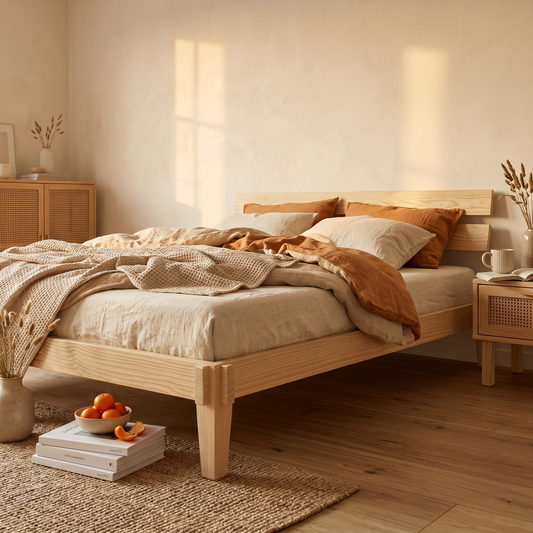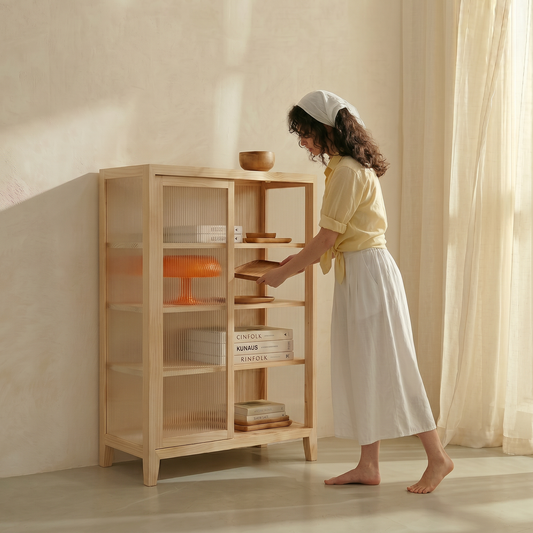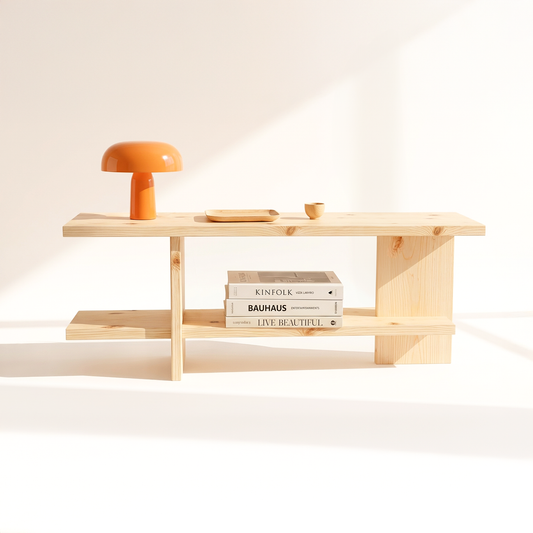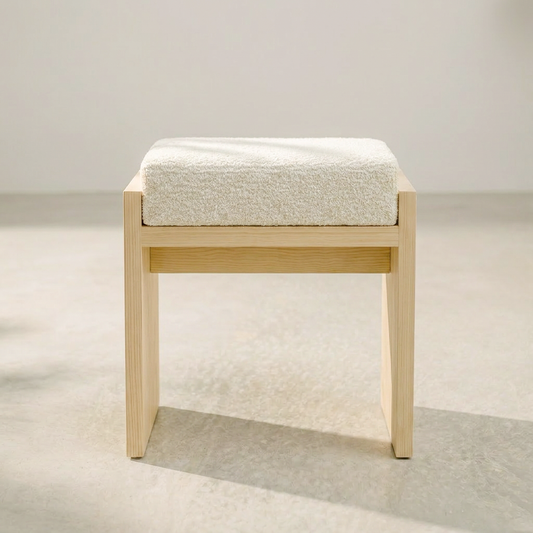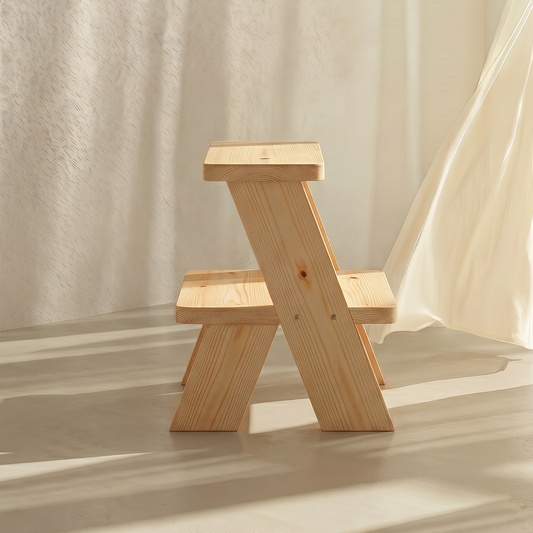

Pine wood furniture has a quiet warmth that makes a home feel softer and more grounded. Its light tone, natural grain, and simple character work beautifully in calm interiors. Whether it is used for shelves, stools, cabinets, bedside tables, or larger furniture, pine wood brings a sense of ease that feels both timeless and approachable.
But natural wood is not a material that should be ignored once it enters the home. It responds to light, moisture, heat, and daily use. Over time, these small interactions shape how the furniture looks and how well it lasts. The good news is that pine wood does not need complicated care. What it needs is consistency and a little attention.
If you understand how pine behaves and build a few simple habits around it, your furniture can stay useful and beautiful for many years.
Why pine wood needs thoughtful care
Pine is a softer wood compared to some hardwoods. This is part of what gives it its approachable and natural feel, but it also means the surface can show marks more easily. That does not make it fragile. It simply means it benefits from mindful use and regular care.
Because pine is a natural material, it can also respond to changes in temperature and humidity. It may expand slightly, settle over time, or change tone as it ages. These are normal qualities of real wood and often part of its charm. The goal is not to keep it looking untouched forever. The goal is to help it age well.
Good care supports both appearance and longevity. It helps prevent avoidable damage and keeps the furniture feeling alive rather than neglected.
Dust regularly and gently
The simplest habit is often the most important. Dust may seem harmless, but if it builds up and is rubbed into the surface repeatedly, it can dull the finish over time.
Use a soft dry cloth or a microfiber cloth to dust pine furniture regularly. This keeps the surface clean without scratching it. Avoid rough materials or aggressive rubbing.
If the piece has carved areas, corners, or joints, pay attention to those spaces too. Dust often collects there first and can make the furniture feel older than it is.
Clean with a light touch
When deeper cleaning is needed, keep it simple. A slightly damp soft cloth is usually enough for everyday marks. After wiping, dry the surface with another cloth so moisture does not sit on the wood.
A few things to avoid:
- Harsh chemical cleaners
- Excess water
- Abrasive scrubbers
- Strong polish buildup
Pine wood usually responds best to gentle care. Heavy products can sometimes leave residue or affect the finish in ways that are hard to reverse.
Protect from moisture and heat
Moisture is one of the most important things to manage with any wood furniture. Pine can handle daily life well, but standing water or repeated dampness can damage the finish and affect the wood over time.
Use coasters, mats, or trays where needed, especially on tables, cabinets, and bedside surfaces. Wipe spills quickly rather than letting them sit.
Heat also matters. Very hot dishes, mugs, or appliances placed directly on wood can mark the surface. A simple protective layer can prevent this easily.
Be mindful of direct sunlight
Natural light is beautiful in a home, but strong direct sunlight over long periods can change the tone of pine wood. Some aging is natural and can even add character, but uneven exposure may create patchy fading.
If possible, place pine furniture where it receives softer light rather than harsh direct sun all day. Curtains, blinds, or occasional repositioning can help if needed.
This is especially useful for pieces placed near large windows or balconies.
Lift rather than drag
How furniture is moved also affects how long it lasts. Dragging a piece across the floor can loosen joints over time and put unnecessary stress on the structure. It can also damage the legs or base.
When moving pine furniture, lift it carefully with support rather than pulling it from one side. This is a small habit, but it helps preserve the strength of the piece.
Accept gentle aging as part of the beauty
One of the best things about real wood is that it changes with time. Pine may deepen slightly in tone, pick up small marks, or soften in appearance as it is used. These changes are often part of what makes the furniture feel personal and lived in.
Not every mark needs to be treated as damage. Some signs of use become part of the story of the piece. The aim is not perfection. It is care.
That said, if the surface becomes dry or tired over time, some pieces may benefit from refinishing or professional maintenance depending on the finish used. This is one of the advantages of real wood. It can often be renewed rather than replaced.
Common mistakes to avoid
A few habits can shorten the life of pine wood furniture unnecessarily.
Using too much water
Wood and excess moisture do not work well together. Always clean with minimal dampness and dry the piece after.
Leaving spills unattended
Quick action matters. Even small spills can leave marks if ignored.
Using harsh products
Strong cleaners can strip or damage the finish.
Treating pine like plastic
Pine is natural and responsive. It should be cared for like wood, not like a synthetic surface.
Final thoughts
Pine wood furniture does not ask for complicated maintenance. It asks for awareness. Dust it gently, clean it simply, protect it from moisture and heat, and allow it to age with grace. These small habits go a long way.
When cared for well, pine furniture becomes more than useful. It becomes familiar. It settles into the rhythm of the home and carries the marks of everyday life with warmth and honesty. That is part of what makes real wood worth living with.
FAQ
How do I clean pine wood furniture safely?
Use a soft dry cloth for dusting and a slightly damp cloth for light cleaning. Always dry the surface after wiping.
Use a soft dry cloth for dusting and a slightly damp cloth for light cleaning. Always dry the surface after wiping.
Can pine wood furniture get damaged by water?
Yes. Standing water or repeated moisture can affect the finish and the wood, so spills should be wiped quickly.
Yes. Standing water or repeated moisture can affect the finish and the wood, so spills should be wiped quickly.
Does pine wood fade in sunlight?
It can change tone over time if exposed to strong direct sunlight for long periods.
It can change tone over time if exposed to strong direct sunlight for long periods.
Is pine wood good for long term furniture use?
Yes. With regular care and mindful use, pine wood furniture can last well and age beautifully.
Yes. With regular care and mindful use, pine wood furniture can last well and age beautifully.