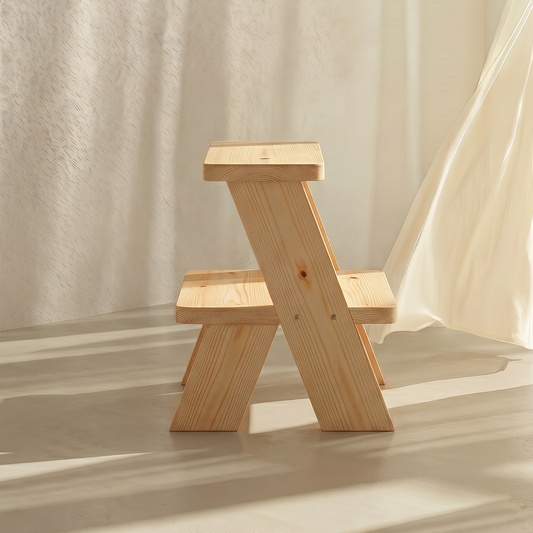

Some homes feel beautiful because they are full of bold choices. Others feel beautiful because they know when to stop. A home that whispers rather than shouts does not try to impress through excess. It creates its effect through calm, proportion, warmth, and quiet confidence.
This kind of home is not empty or plain. It is thoughtful. The furniture feels chosen. The materials feel honest. The objects in the room seem to belong there. Nothing is fighting for attention, and because of that, everything can be felt more clearly.
Designing a home this way is less about following a style and more about developing a certain sensitivity. It asks what the room truly needs and what can be left out. It values atmosphere over performance.
Why quiet homes feel so powerful
A quiet home often feels more restful because it reduces the amount of visual information the mind has to process. There is less interruption, less clutter, and less pressure to notice everything at once.
This creates space for:
- Ease in movement
- Emotional softness
- Better focus
- A stronger sense of comfort
- More connection to everyday routines
The home begins to support life rather than compete with it.
Start with restraint, not emptiness
Designing a home that whispers does not mean removing all personality. It means learning the difference between presence and noise.
A room can feel quiet when:
- Furniture is proportionate
- Materials are warm and natural
- Decor is limited but meaningful
- Surfaces have breathing space
- Useful objects are chosen with care
This kind of restraint creates depth because it allows each piece to matter more.
Let furniture carry calm
Furniture shapes the emotional tone of a room more than we often realize. Bulky, overly decorative, or trend driven pieces can make a home feel louder than it needs to be. Simpler furniture with balanced lines and useful function tends to create more ease.
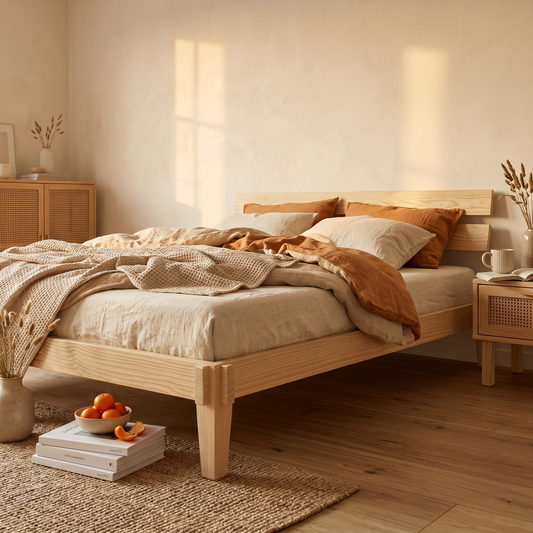
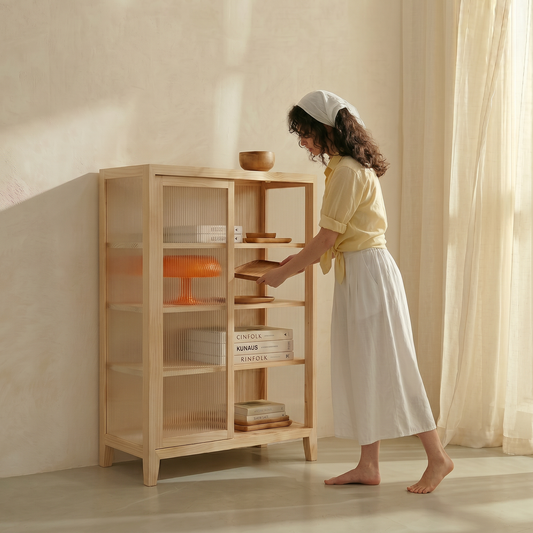
Wooden furniture works especially well in quiet homes because it adds warmth without visual aggression. Grain, tone, and texture do the work gently.
If you want to explore furniture that supports this kind of atmosphere, the furniture collection offers pieces rooted in simplicity, utility, and calm design.
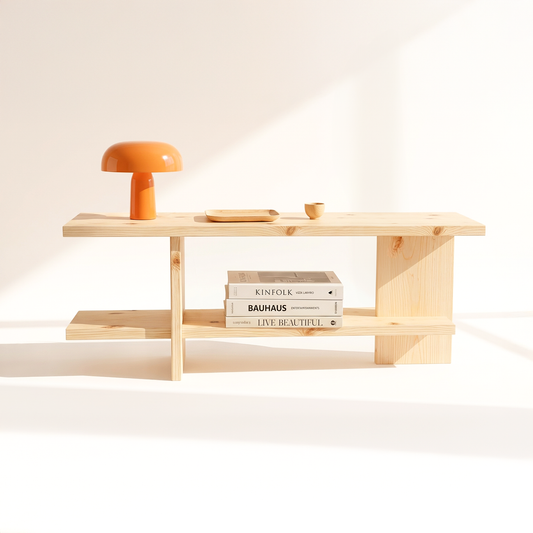
A piece like the Quiet Console Table reflects this approach clearly. It brings structure and warmth to a room without asking for too much attention.
Use decor that feels lived with, not staged
Quiet homes usually avoid decorative excess. Instead of filling every surface, they rely on a few objects that feel connected to daily life.
This could include:
- A tray for keys
- A lamp beside a chair
- A stack of books
- One ceramic vase
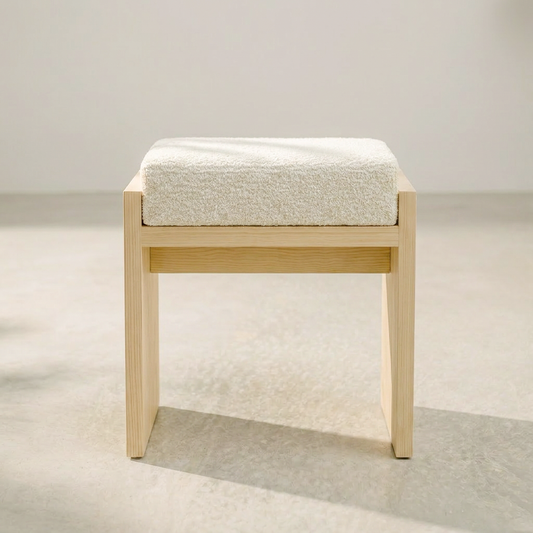
- A bench used every day
- A tissue holder placed with intention
These objects do not need to perform. They simply need to belong.
Choose materials that soften the room
Natural materials help a home whisper. Wood, linen, cotton, stone, and woven textures all bring a kind of visual softness that synthetic or overly polished surfaces sometimes lack.
These materials create warmth without heaviness and character without noise. They also age in ways that feel more human and more forgiving.
Final thoughts
Designing a home that whispers rather than shouts is about creating beauty through calm choices. It means choosing furniture that supports rather than dominates, materials that warm rather than overwhelm, and decor that belongs rather than performs.
The result is a home that feels more grounded, more personal, and easier to live in. It does not need to announce itself loudly to be memorable. Its strength comes from quiet confidence, and that is often what makes it last.
FAQ
What does it mean for a home to whisper rather than shout?
It means the home feels calm, restrained, and intentional rather than loud, crowded, or overly styled.
It means the home feels calm, restrained, and intentional rather than loud, crowded, or overly styled.
How do I make my home feel quieter visually?
Use fewer objects, choose warm natural materials, keep surfaces more open, and select furniture with simple balanced lines.
Use fewer objects, choose warm natural materials, keep surfaces more open, and select furniture with simple balanced lines.
Can a quiet home still feel warm?
Yes. Warmth often becomes stronger in quiet homes because natural materials and thoughtful objects stand out more clearly.
Yes. Warmth often becomes stronger in quiet homes because natural materials and thoughtful objects stand out more clearly.
What kind of furniture suits a calm home best?
Simple, useful, and well made furniture in natural materials like wood often works best.
Simple, useful, and well made furniture in natural materials like wood often works best.